7 Words You Didn't Know Were Japanese
A look at seven common English words with Japanese origins, including karaoke, emoji, tsunami, and others. Explores how these words entered global vocabulary and what they reveal about Japanese cultural influence.
Karaoke: The One Everyone Knows
Karaoke: The One Everyone Knows
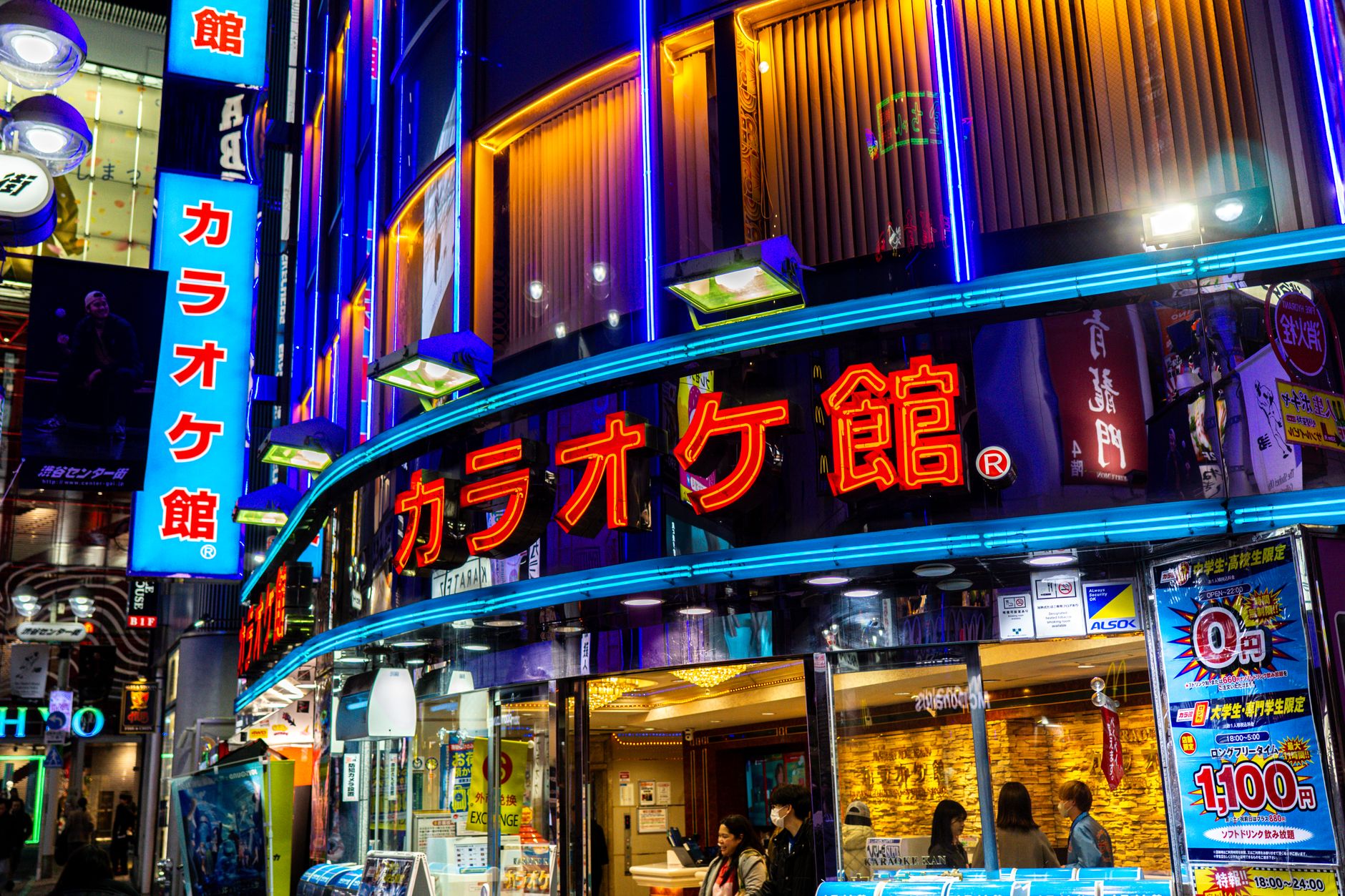
Let's start with the obvious. Karaoke didn't just come from Japan — it was literally invented there in the 1970s. The word itself is a contraction of カラ (kara, meaning 'empty') and オーケストラ (okesutora, 'orchestra'). A Japanese musician named Daisuke Inoue created the first karaoke machine, and by the 1980s, it had conquered the world. What's wild is how perfectly the concept suited global culture. Whether you're in London, New York, or Seoul, the appeal is universal: get drunk, sing badly, have fun. Japan's gift to Friday nights everywhere.
Emoji: The Language That Broke Down Borders
Emoji: The Language That Broke Down Borders
Emoji (絵文字) emerged in the late 1990s when Japanese mobile phones needed a way to convey emotion in text messages. Shigetaka Kurita designed the first 144 emoji for NTT DoCoMo, and they were tiny — just 12 by 12 pixels. The concept was so clever that it spread globally, and now emoji are genuinely considered a language of their own. The irony? Most English speakers don't realise they're speaking Japanese every time they send a smiley face. Emoji have become so universal that they've actually influenced how people communicate across language barriers. Japan basically created the visual shorthand for the internet age.

Tsunami: When Nature's Fury Got a Name
Tsunami: When Nature's Fury Got a Name
Tsunami (津波) comes from tsu (harbour) and nami (wave) — literally a 'harbour wave.' It's a word born from necessity in a country where earthquakes and massive ocean swells are a fact of life. Before the 2004 Indian Ocean tsunami made global headlines, most English speakers had never heard the word. Now it's standard vocabulary. What's interesting is that English didn't have a better word for this specific phenomenon. We could say 'tidal wave,' but that's technically inaccurate. Tsunami was so precise and so necessary that it simply replaced whatever vague terminology we had before. Nature gave Japan the experience; the language gave the world the vocabulary.
Anime and Manga: The Soft Power Words
Anime and Manga: The Soft Power Words
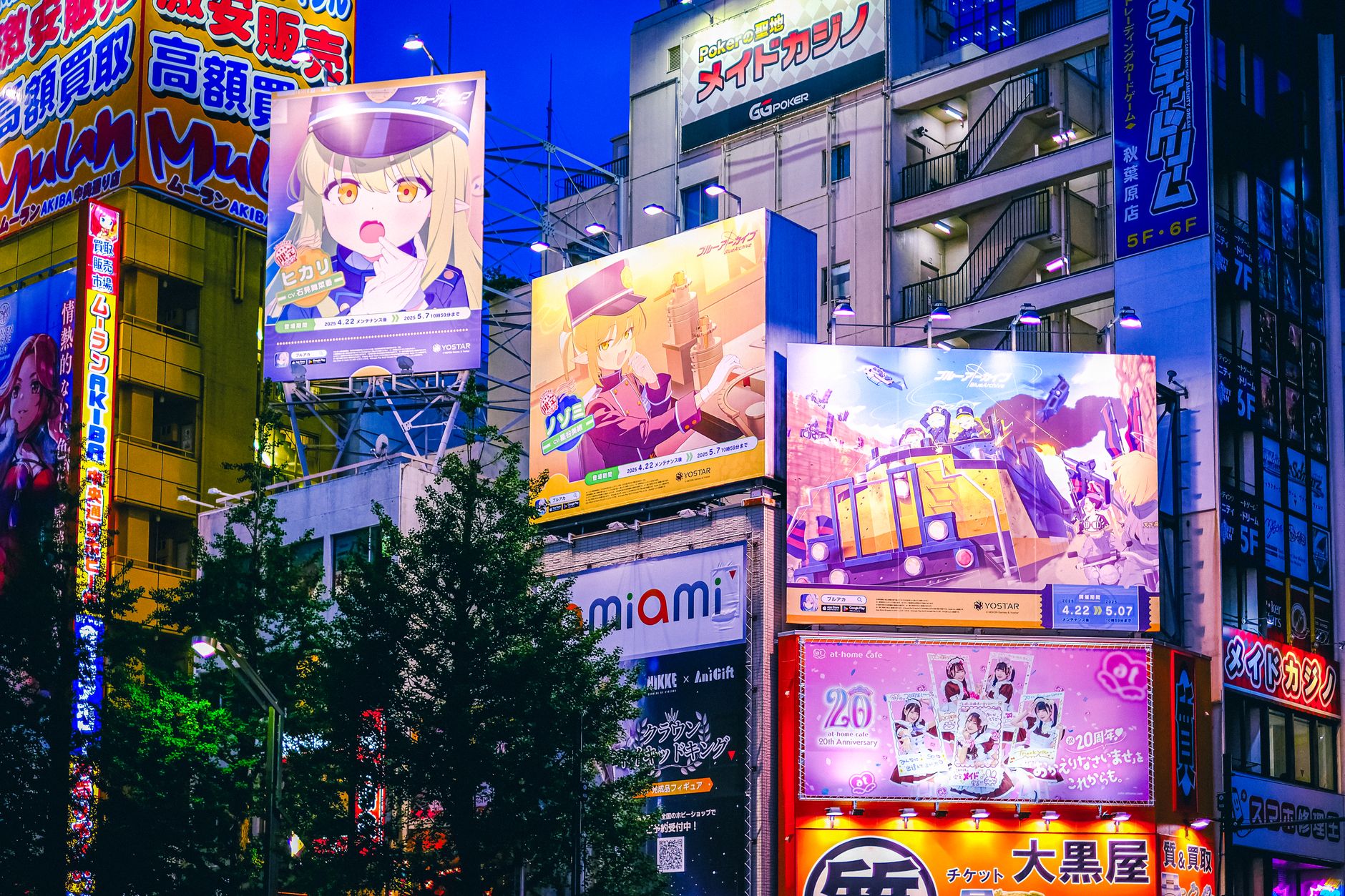
Anime (アニメ) and manga (漫画) are Japanese shorthand for animation and comics, but they've become global terms that mean something very specific. You can't just call Japanese animation 'cartoons' — it's a different beast entirely, and the word anime captures that distinction perfectly. Same with manga: Western comics and Japanese manga are fundamentally different art forms. These words are fascinating because they represent Japan's cultural export at its peak. When a British teenager says they're 'into anime,' they're not just consuming media — they're adopting a Japanese word because English doesn't have an equivalent that carries the same weight and cultural meaning. It's soft power wrapped in vocabulary.
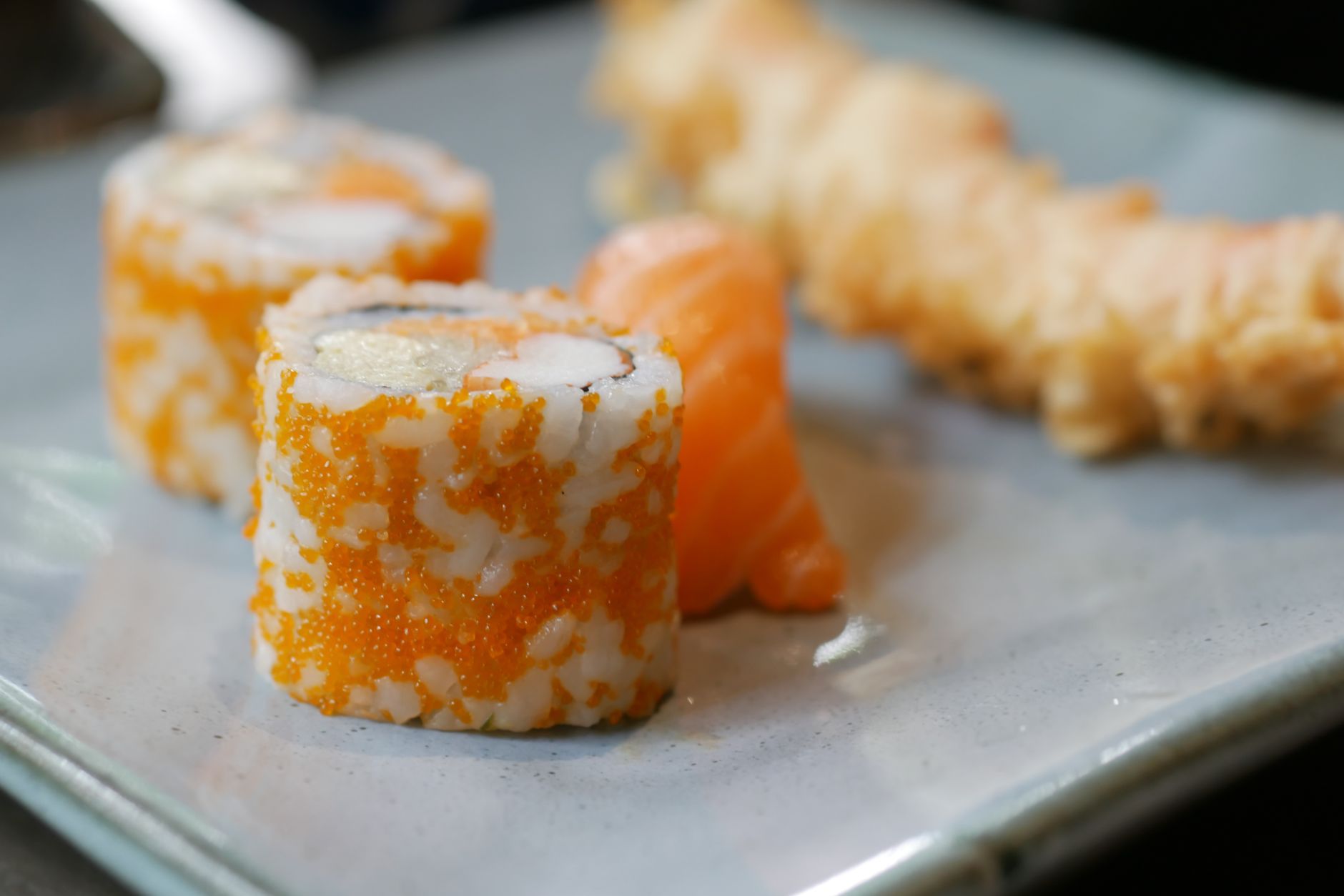
Sushi, Tempura, and the Food Words
Sushi, Tempura, and the Food Words
Sushi (寿司) and tempura (天ぷら) are so embedded in English that we forget they're Japanese. Sushi has become ubiquitous — there's a sushi restaurant on practically every high street in Britain. Tempura, the battered and deep-fried vegetables and seafood, is equally familiar to anyone who's eaten at a Japanese restaurant. What's worth noting is that these words have become so naturalised that they're no longer felt as 'foreign.' They're just English now. A British person ordering sushi doesn't think they're speaking Japanese; they think they're speaking English. That's the ultimate success of a loanword — when it stops feeling like a loanword at all.
Sudoku and Karate: Brain and Body
Sudoku and Karate: Brain and Body
Sudoku (数独) exploded into British consciousness in the 2000s as the puzzle craze that made commutes bearable. The word itself is short for 'suuji wa dokushin ni kagiru,' meaning 'numbers are limited to single.' It's a Japanese puzzle, but it became a global obsession because it's genuinely addictive and requires no language skills. Karate (空手) is older in our vocabulary — it's been around since martial arts became mainstream in the West. The word means 'empty hand,' reflecting the philosophy of the martial art. Both words show how Japan has influenced not just what we consume, but how we think about leisure, fitness, and mental challenge. They're woven into the fabric of everyday British life in ways most people never notice.
Related reads