How to Order Ramen Like a Local
A practical guide to navigating ramen shop etiquette, menu systems, and ordering customs that'll help you blend in and get exactly what you want.

The Menu System: Decoding What You're Actually Ordering
The Menu System: Decoding What You're Actually Ordering
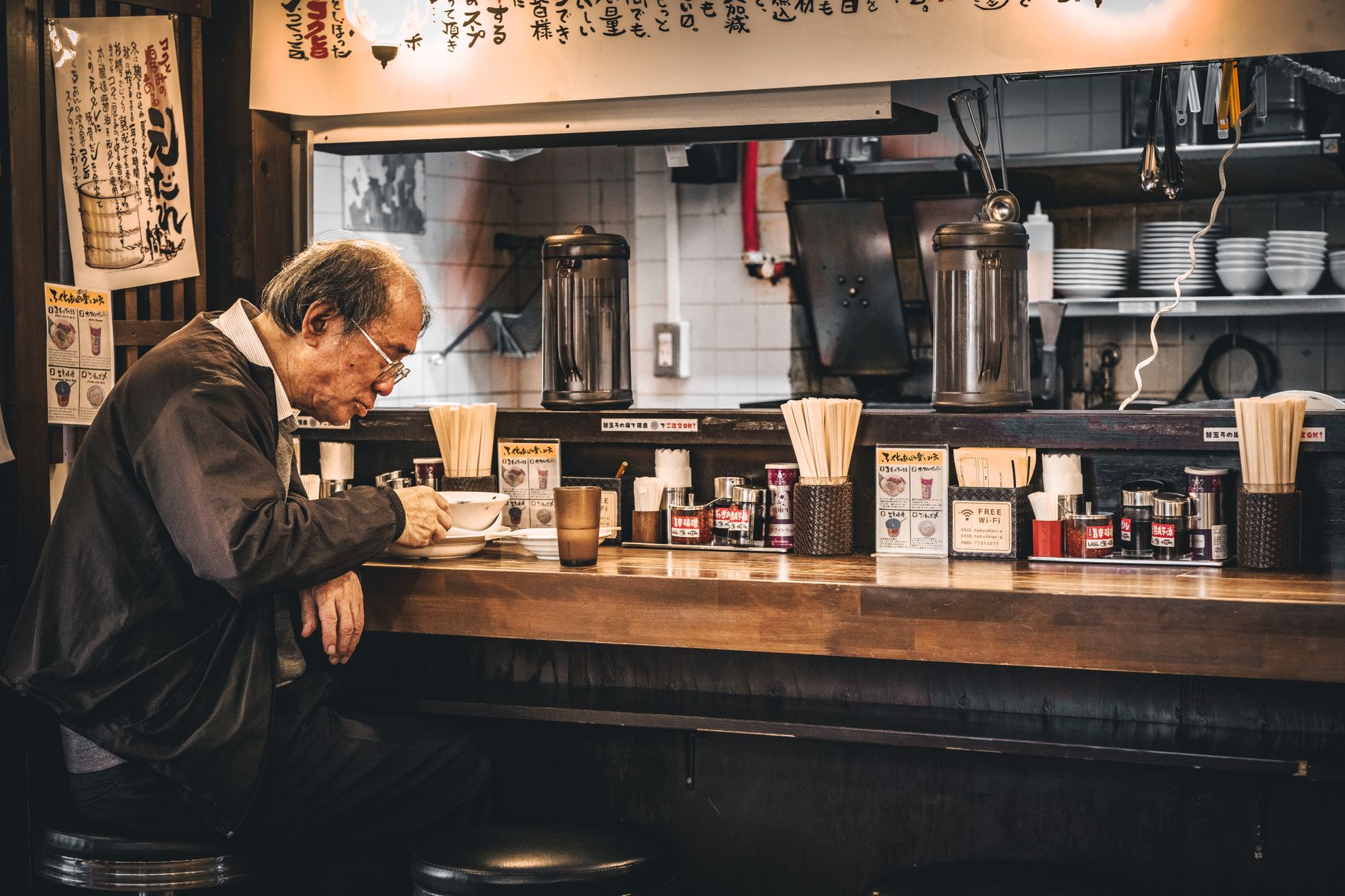
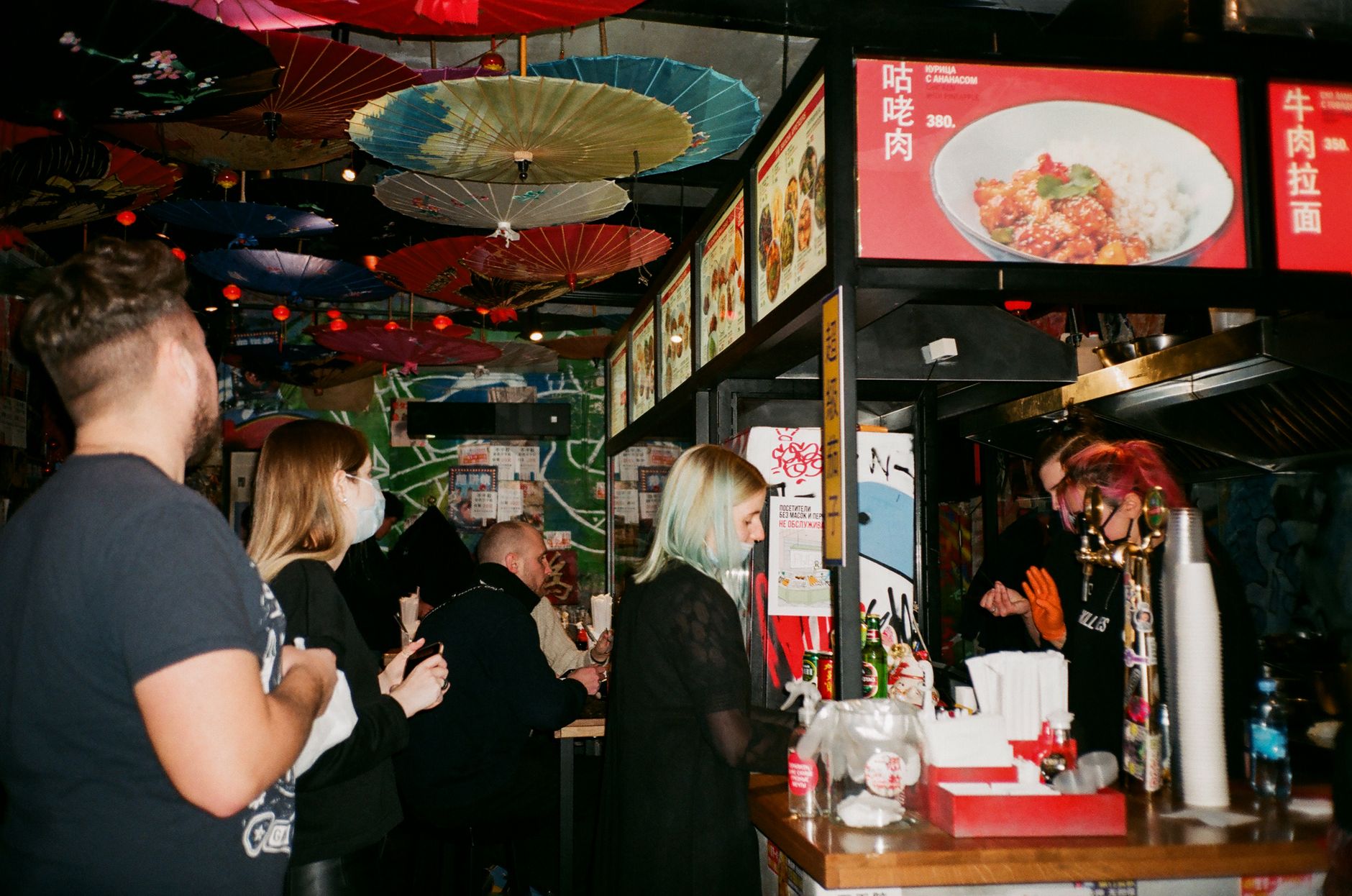
Japanese ramen shops rarely hand you a traditional menu. Instead, you'll face a laminated poster on the wall or a digital display above the counter showing maybe five to ten options. Each lists the broth type (tonkotsu, miso, shoyu, shio), noodle style, and price. This isn't overwhelming—it's intentional. The shop has perfected these specific dishes, and that's all you need to choose from. Look for symbols or icons next to each option. A small bowl icon means a regular serving; a larger one signals a bigger portion. Some shops use stars or chilli peppers to indicate spice level. Prices are usually displayed in yen, and most local ramen runs between ¥800 and ¥1,200 (roughly £5 to £8). Don't overthink it. The chef knows what works, and so does everyone else eating there. If there's a vending machine by the entrance—common in Tokyo and other cities—you'll order and pay there first, then hand your ticket to the staff. This system is faster than you'd think and removes any language barrier. Just point at the picture and feed in coins or notes.
Timing and Counter Etiquette: The Unspoken Rules
Timing and Counter Etiquette: The Unspoken Rules
Arrive hungry and ready to eat quickly. Ramen is fast food in the best sense—your bowl will arrive within five to ten minutes of ordering, and locals expect you to eat it hot and leave. Lingering over a cold bowl is frowned upon, not because staff will rush you, but because you're wasting the chef's work and blocking someone else's seat. When you sit at the counter, don't immediately flag down staff. Wait for eye contact or a greeting. When they arrive, simply point at the menu or hold up your ticket if you've used a machine. No need for elaborate Japanese—a nod and a smile work fine. If you want to customise your order (extra noodles, less broth, spice level), say it clearly: "katame" (hard noodles), "yawakame" (soft), "karame" (spicy), or "abura nashi" (no oil). Most shops understand these basics from English speakers. Once your ramen arrives, eat it. Slurping is not just acceptable—it's expected and encouraged. It aerates the noodles, cools them slightly, and signals to the chef that you're enjoying their work. This is one of the few places in Japan where making noise while eating is genuinely appreciated.
Reading the Toppings and Building Your Bowl
Reading the Toppings and Building Your Bowl
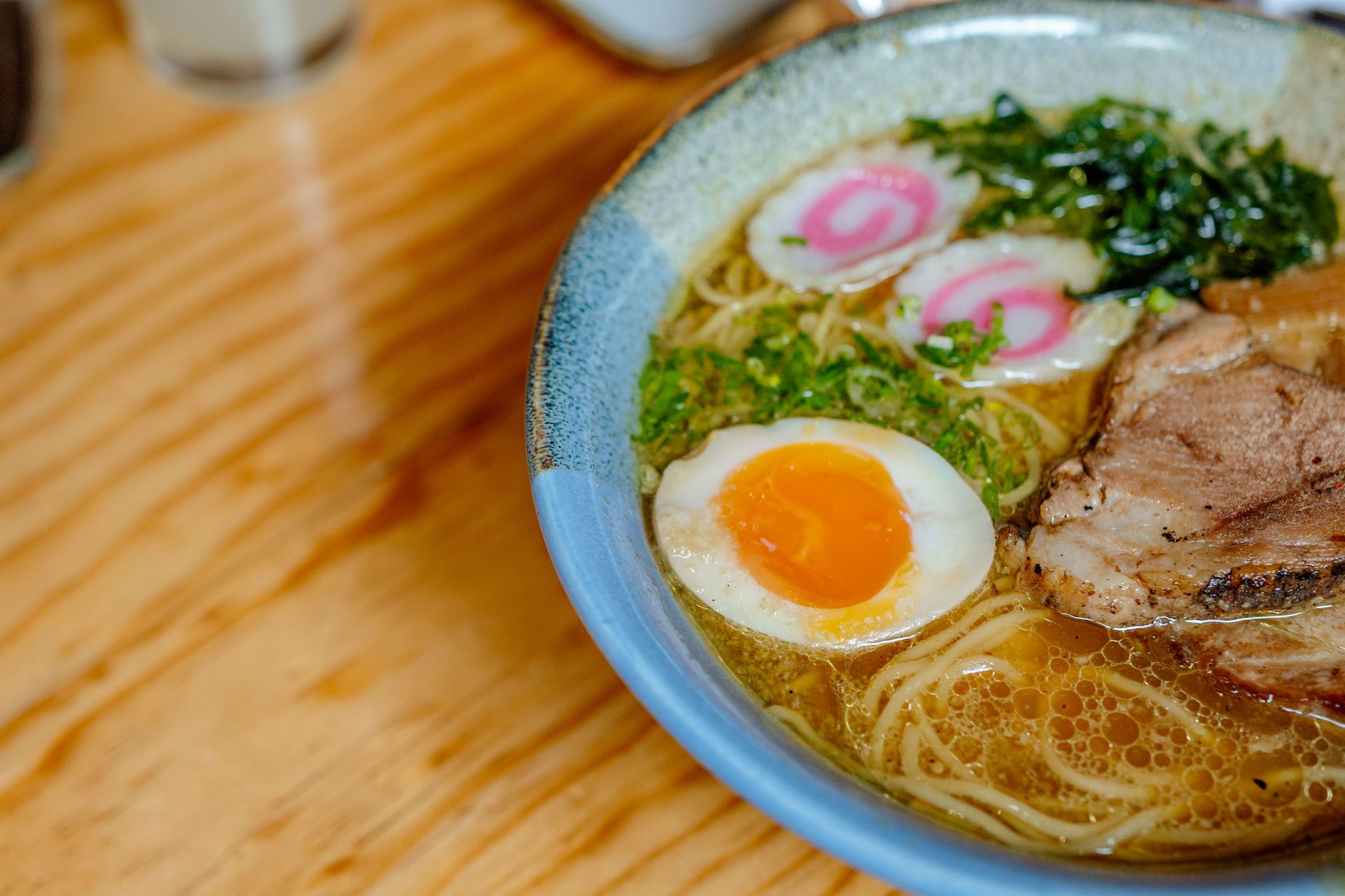
Standard ramen comes with a basic set of toppings: noodles, broth, and usually a soft-boiled egg (ajitsuke tamago), some green onion, and a slice or two of chashu (braised pork). But many shops offer add-ons displayed in small bowls near the counter or listed on the menu. Common extras include extra chashu, corn, bean sprouts, garlic, ginger, or a second egg. If you want to add toppings, ask before your bowl arrives. Say "plus" and point, or use simple words: "tamago futatsu" (two eggs), "nori" (seaweed sheets), "moyashi" (bean sprouts). Some shops charge a small fee for extras (usually ¥100–¥300); others include them. Don't assume—ask. The staff won't mind, and it's better than an awkward moment at the till. One local habit worth adopting: taste the broth first before adding condiments. Soy sauce, chilli oil, and vinegar are usually on the counter, but the chef has already seasoned the dish. Adding extras immediately signals you don't trust their work. Take a sip, then adjust if needed. It's a small gesture that shows respect for the craft.
Regional Styles: What Changes Across Japan
Regional Styles: What Changes Across Japan
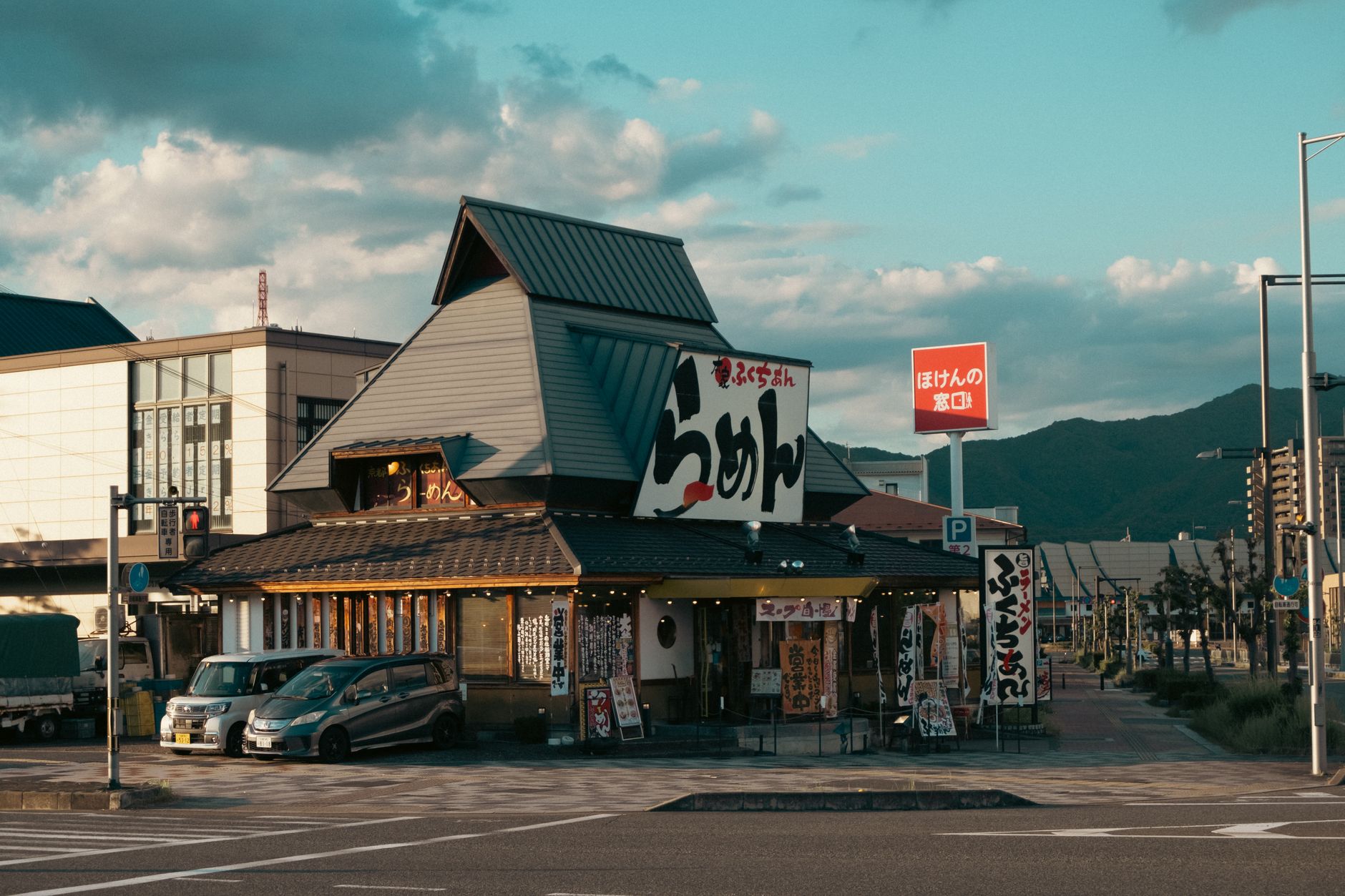
Ramen isn't one dish—it's dozens. Tonkotsu (pork bone broth) dominates Fukuoka and southern Japan; it's creamy, rich, and unmistakable. Miso-based ramen is Hokkaido's signature, often topped with corn and butter. Tokyo favours shoyu (soy sauce) ramen with a clear, savoury broth. Shio (salt) ramen is lighter and more delicate, popular in coastal regions. Knowing which style you're ordering helps set expectations. If you're in a specific region, ask locals or check the shop's name—many include their specialty in the signage. "Tonkotsu ramen" in the name means that's what they do best. Ordering their signature dish rather than asking for something obscure shows you've done your homework and respect the shop's focus. This small choice genuinely matters to the staff and will likely result in a better experience. Don't be afraid to ask the staff which dish is most popular or what they recommend. A simple "osusume wa?" (what do you recommend?) opens a conversation and often leads to the best bowl in the house. Most ramen chefs are proud of their work and happy to guide you toward it.
Payment and Leaving: The Final Details
Payment and Leaving: The Final Details
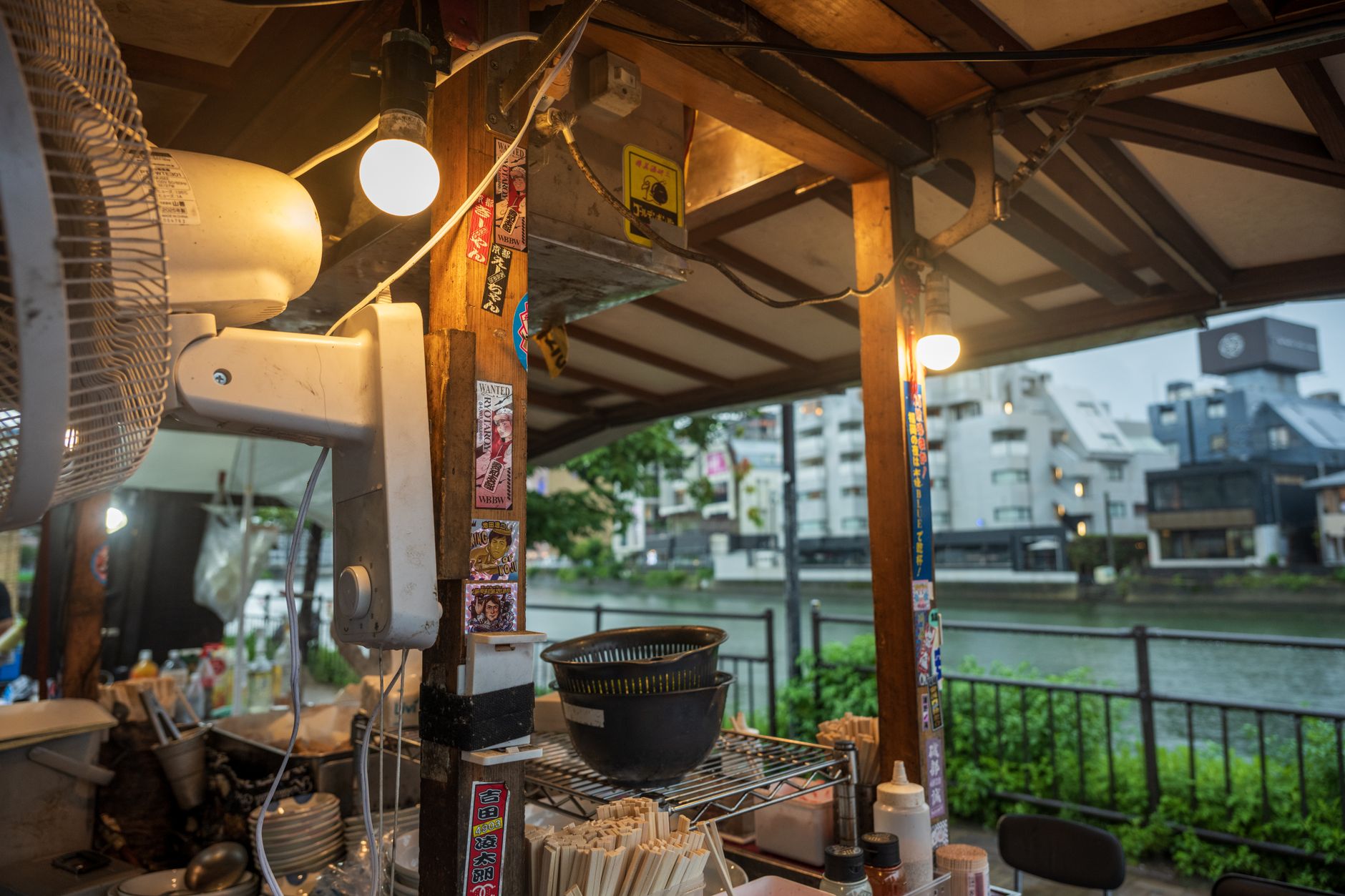
Payment is straightforward. If you used a vending machine, you've already paid. If you ordered at the counter, you'll pay when you're done—usually at a till near the exit or directly to the staff member. Ramen shops rarely expect tips, and leaving one can actually feel awkward. Just pay the amount shown and say "gochisousama" (thank you for the meal) as you leave. It's polite and costs nothing. Before you go, check your seat and the counter for any mess. Wipe up any spilled broth or noodles with a napkin. This isn't a rule enforced by staff, but it's what locals do. Ramen shops are communal spaces, and keeping them clean is a shared responsibility. It's also a sign of respect for the next person sitting in your spot. If you genuinely loved the ramen, say so. A simple "oishikatta" (it was delicious) as you leave will make the chef's day and might earn you a nod or smile. These small moments of appreciation are part of ramen culture and cost you nothing but sincerity.
Related reads