Osaka Is Where Tokyo's Food Reputation Goes to Eat
While Tokyo dominates the fine-dining headlines, Osaka has built a fiercer food culture around street food, casual excellence, and the kind of eating that defines a city. This is where to go if you actually want to taste Japan.

Tokyo Has the Stars. Osaka Has the Soul.
Tokyo Has the Stars. Osaka Has the Soul.
Let's be honest: Tokyo's fine-dining scene is genuinely world-class. Three-Michelin-star restaurants, kaiseki temples, sushi masters with 40-year waiting lists. It's impressive, expensive, and worth experiencing once. But here's the thing—Tokyo eats like it's being watched. Osaka eats like nobody's judging. Osaka's food culture isn't built on refinement or prestige. It's built on flavour, volume, and the absolute refusal to compromise on taste just because something is casual. The city's motto is practically 'kuidaore'—eat until you fall over. This isn't a cute saying; it's a philosophy. While Tokyo's food scene chases perfection and validation, Osaka's chases satisfaction. That's a fundamentally different (and arguably better) approach to eating.
Okonomiyaki and Takoyaki: The Dishes That Define a City
Okonomiyaki and Takoyaki: The Dishes That Define a City
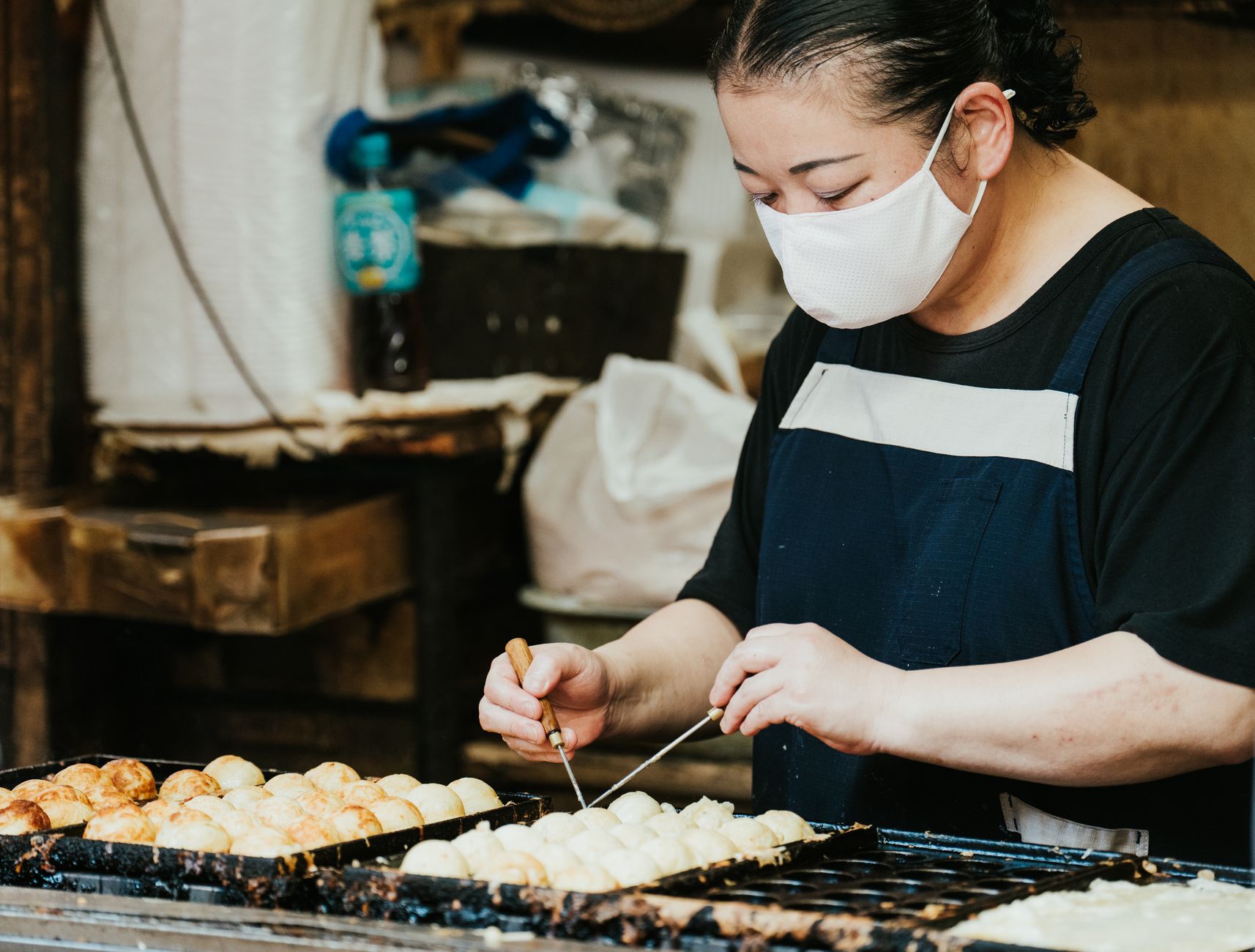
Okonomiyaki exists everywhere in Japan, but Osaka okonomiyaki is the original. The Hiroshima version gets attention for its layering technique, but Osaka's version—where everything gets mixed together before cooking—is the real deal. The difference is subtle but crucial: Osaka's approach creates a more unified flavour, where every bite tastes intentional rather than assembled. Takoyaki (octopus balls) are similar. You can find them in Tokyo, sure, but they're a novelty. In Osaka, they're a way of life. The best takoyaki stalls have lines out the door at 3pm because locals know the difference between a takoyaki made with care and one made with indifference. The quality gap is enormous. Head to Takoyaki Museum in Shinchi or hit any of the legendary stalls around Dotonbori, and you'll understand why Osaka residents are willing to queue for a snack.
Street Food That Actually Tastes Like Something
Street Food That Actually Tastes Like Something
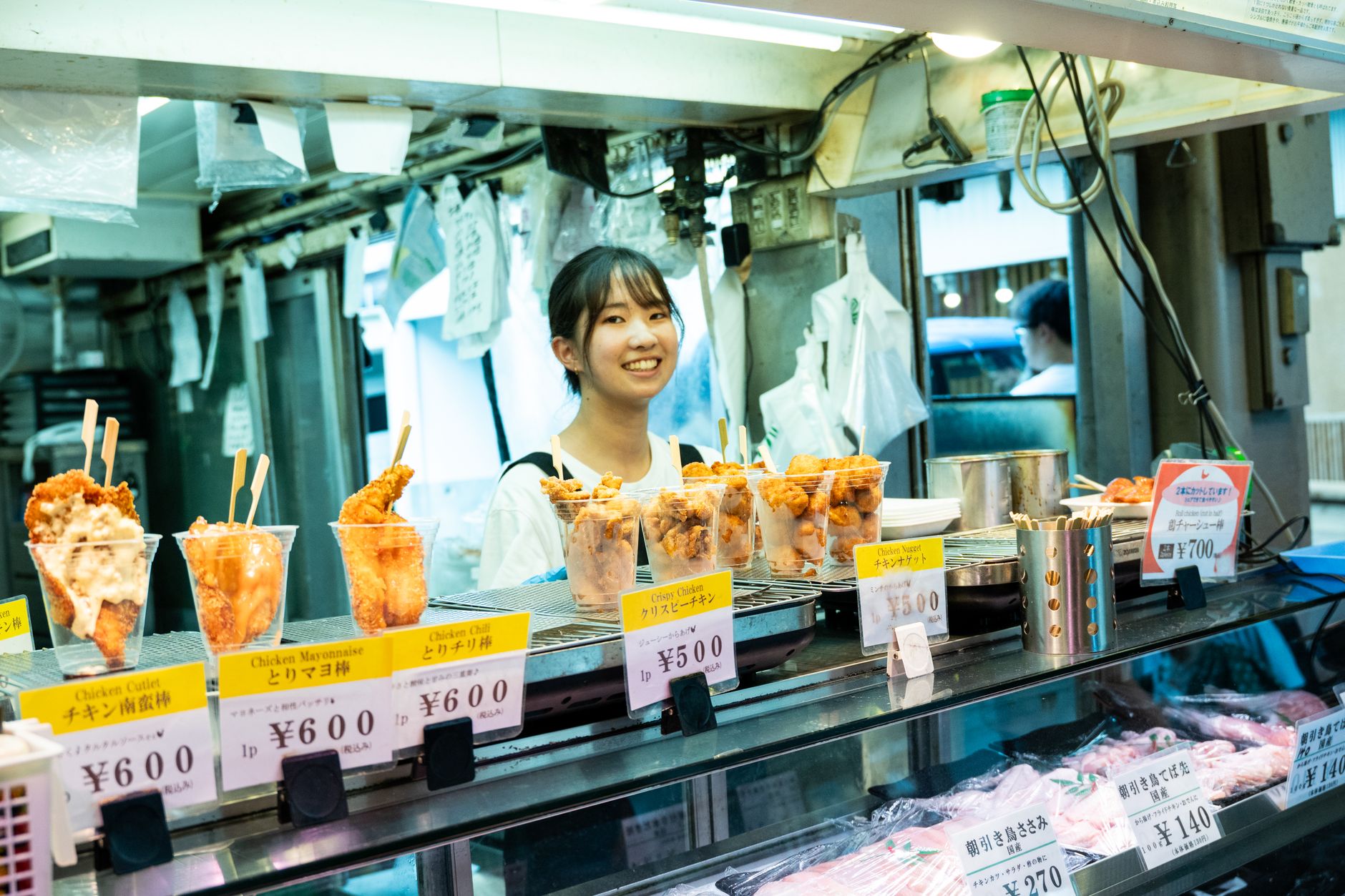
Osaka's street food isn't Instagram bait. It's not designed to look precious or photograph well. It's designed to taste incredible and cost next to nothing. Okonomiyaki, takoyaki, kushikatsu (deep-fried skewers), yakitori, and grilled squid—these are the foods that built Osaka's identity. Kushikatsu deserves special mention. This is deep-fried everything on sticks, dipped in communal sauce (yes, really—it's part of the ritual). It sounds chaotic and it is, but the best kushikatsu joints have perfected the art of coating, frying temperature, and sauce balance. Daruma in Shinsekai is the most famous, but the real magic happens at smaller spots where the chef has been doing this for 20 years and knows exactly how to make a mushroom skewer sing.
The Price-to-Flavour Ratio Is Genuinely Unbeatable
The Price-to-Flavour Ratio Is Genuinely Unbeatable
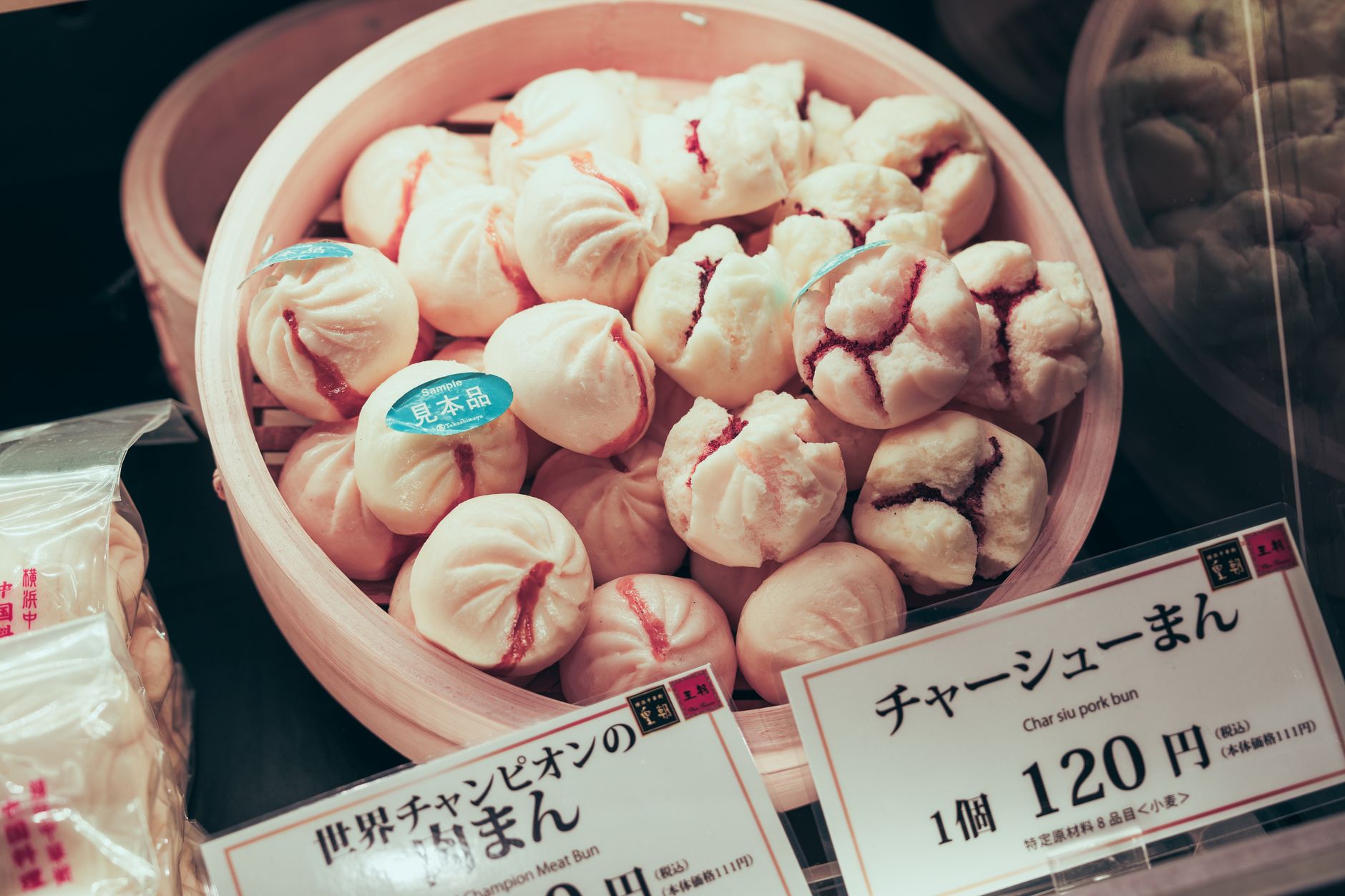
Here's something Tokyo can't match: value. A world-class okonomiyaki in Osaka costs ¥800–1,200. A decent bowl of ramen is ¥900. Takoyaki from a proper stall is ¥500 for six pieces. You can eat extraordinarily well in Osaka for £15–20 a day if you're willing to eat like a local. Tokyo's equivalent meals cost 40–60% more, and the quality difference doesn't justify the price gap. This isn't just about budget travel, either. It's about the philosophy. Osaka believes great food should be accessible. Tokyo has started to believe great food should be exclusive. That fundamental difference shapes everything about how each city eats.
Where to Actually Eat in Osaka
Where to Actually Eat in Osaka
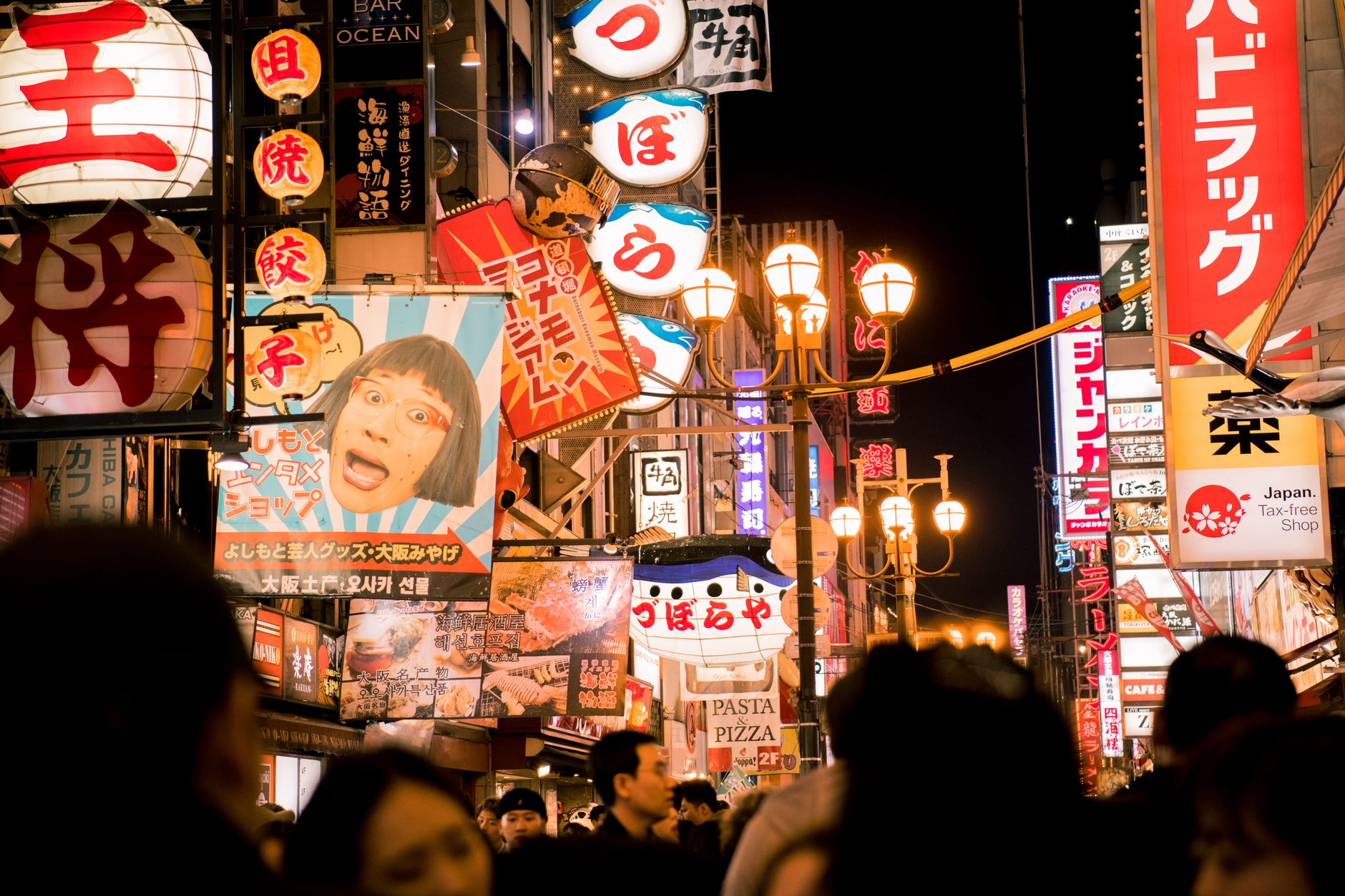
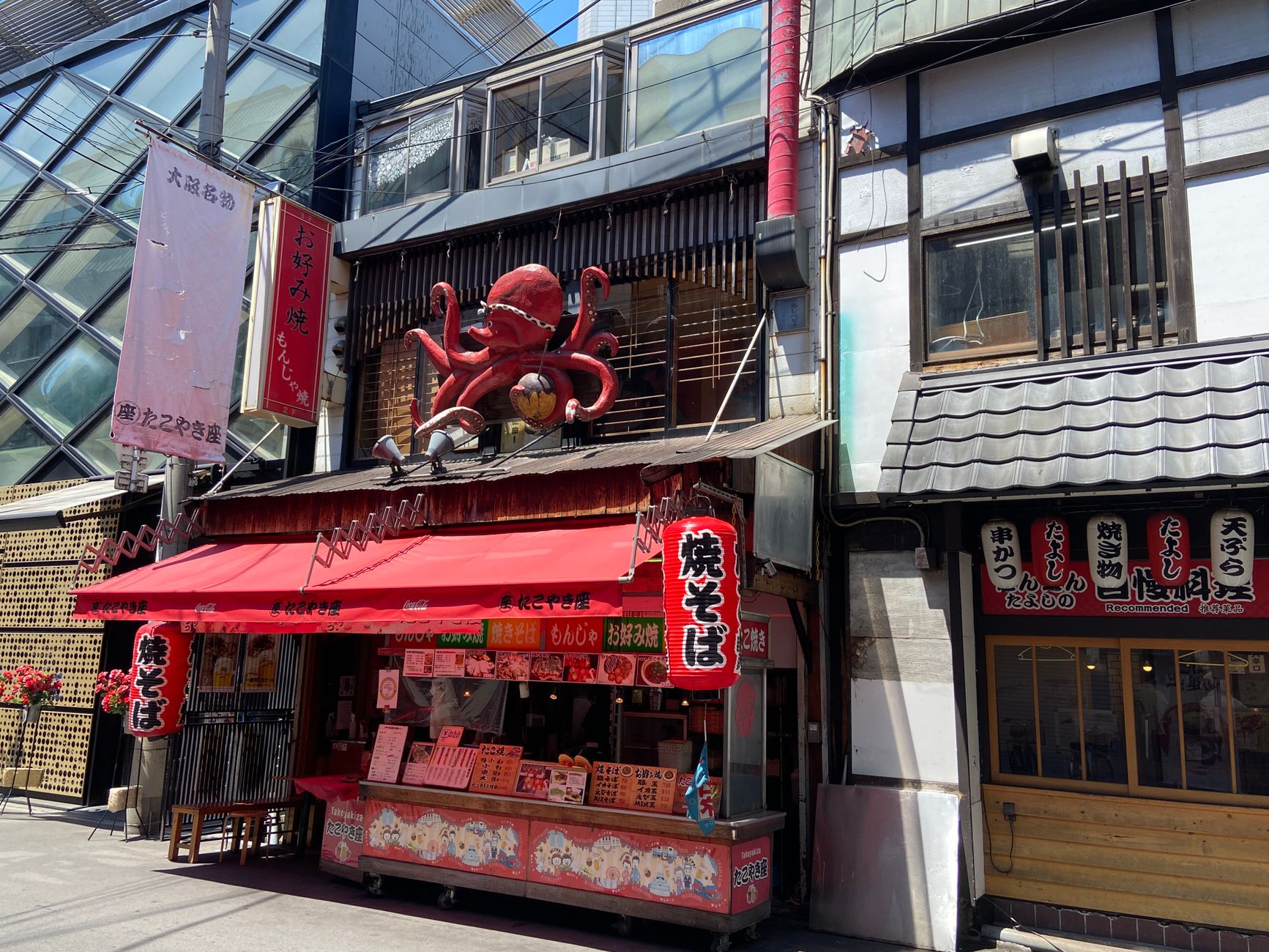
Start in Dotonbori. Yes, it's touristy, but it's touristy because the food is genuinely good. Grab takoyaki from one of the stalls, okonomiyaki from a proper restaurant (Kiji is the most famous but Mizuno is arguably better), and yakitori from anywhere that looks busy. The crowds are your quality control. Then head to Shinsekai for kushikatsu. The narrow streets and old-school vibe feel like stepping into 1970s Japan. Eat at Daruma if you want the famous spot, or wander and find somewhere quieter—honestly, the quality is remarkably consistent. Finally, hit the Kuromon Market early in the morning for fresh seafood, grilled items, and the kind of energy that makes you understand why Osaka residents are so proud of their food culture. This is eating as it should be: unpretentious, delicious, and genuinely fun.
Related reads