
Robot dogs and 5 other weird Sony products
A look at six genuinely odd Sony products beyond the mainstream: aibo robot dogs, Rolly dancing speaker, Party-shot robot photographer, Glasstron head-mounted display, QRIO humanoid robot, and Mavica floppy-disk camera.

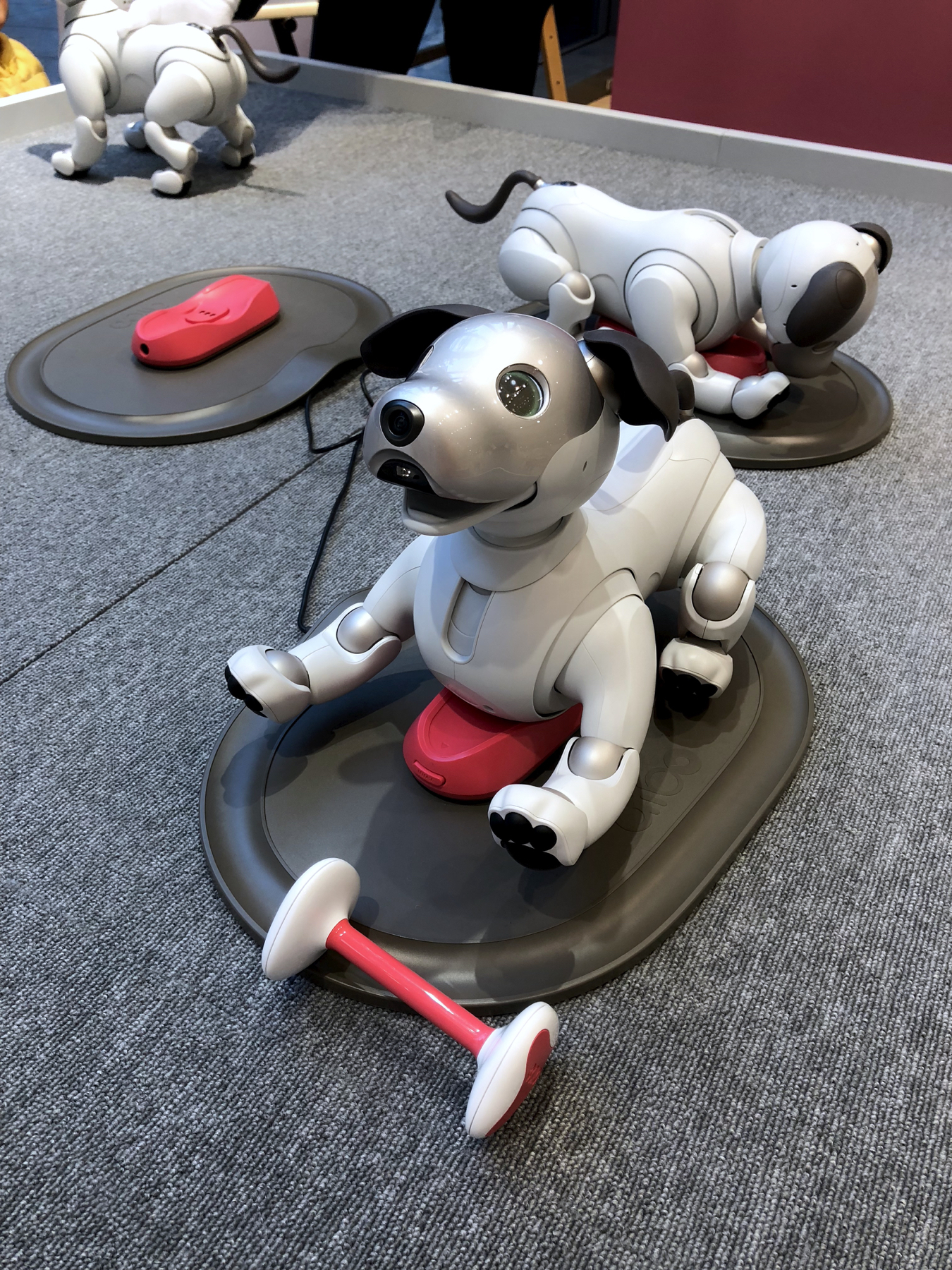
Sony's aibo robot dog can tilt its head, wag its tail, and respond to voice commands. It costs around ¥300,000 and has been on the market since 1999 in various forms. On 25 June 2026, Sony announced that domestic Japan sales of the current aibo ERS-1000/W (ivory white model) will end once stock runs out, though the company clarified that aibo development continues and next-generation work is underway. App support, repair services, parts, and the My aibo companion platform will continue. US sales of the current model remain unaffected. For a company known for making reliable televisions and portable music players, aibo is the first hint that Sony's engineering ambitions reach into stranger territory.
The dancing egg that played your music
Rolly was a small, egg-shaped device released in 2004 that played music and danced to the beat. It connected to your PC via USB, stored MP3 files, and rolled around your desk or floor while moving to rhythm. The design was almost absurdly simple: a white or black ovoid shell, two wheels, and enough internal gyroscopes to keep it upright and mobile. When music played, Rolly would sway, spin, and shift its weight in time with the sound. It was not practical. It was not particularly good at playing music compared to an iPod or any portable speaker. But it existed, and people bought it, and for a brief moment in the mid-2000s it seemed like the future of personal audio was going to be a dancing robot egg.
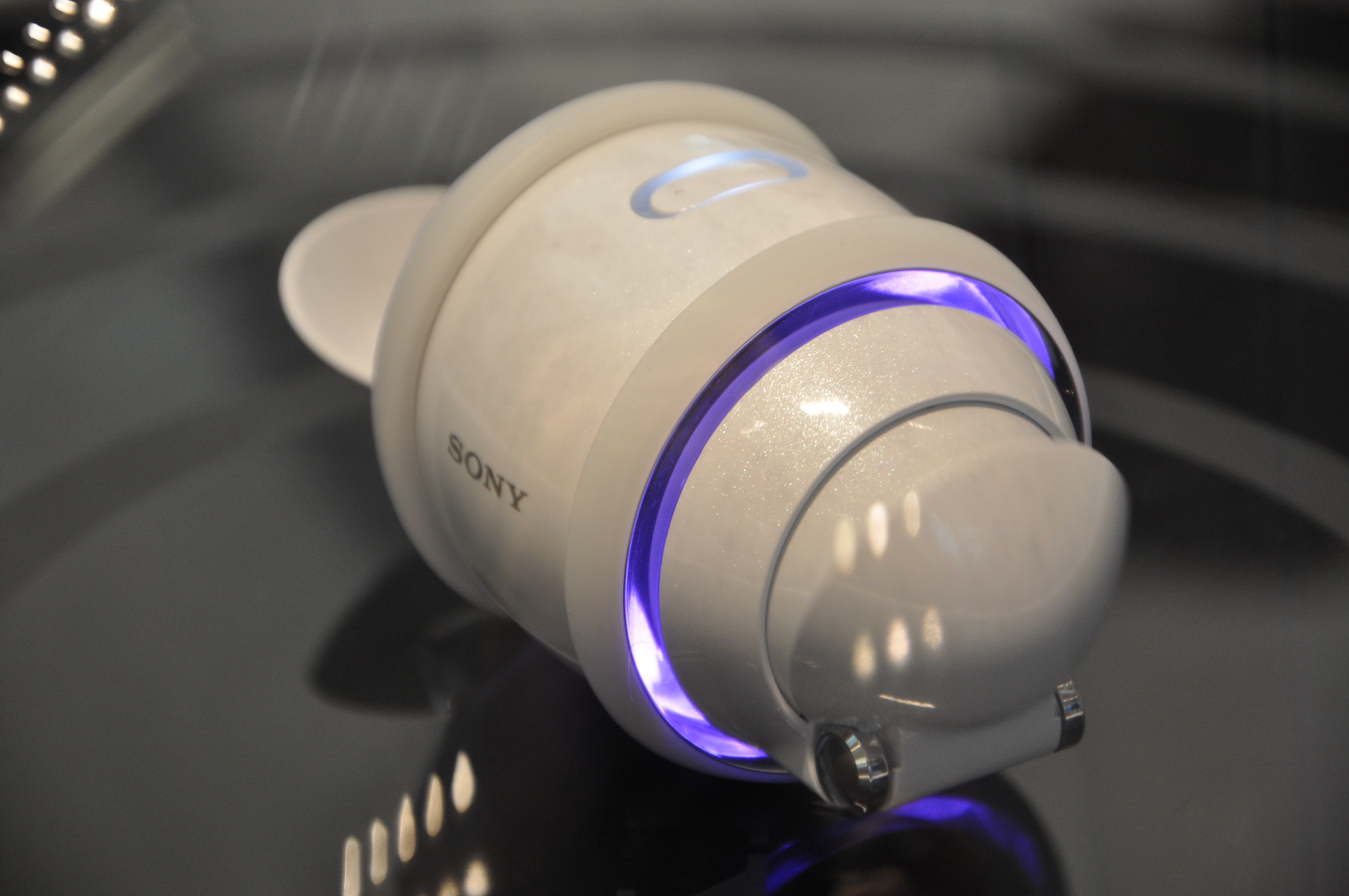
Rolly stored MP3s and danced to the beat with motorised flaps.
When Sony tried to be your robot photographer
The Party-shot, also known as the IPT-DS1, was a small robotic device designed to track faces and take photographs at social gatherings. You would place it on a table or mount it on a stand, and it would pan and tilt to follow people's faces in the frame, firing the shutter when it detected a good moment. The idea was sound: a hands-free camera for group photos or events where everyone wanted to be in the shot. The execution was less convincing. The face-tracking was slow, the image quality was modest, and by the time Party-shot had locked onto your face and composed the shot, the moment had often passed. It appeared briefly in the mid-2000s and vanished just as quickly.
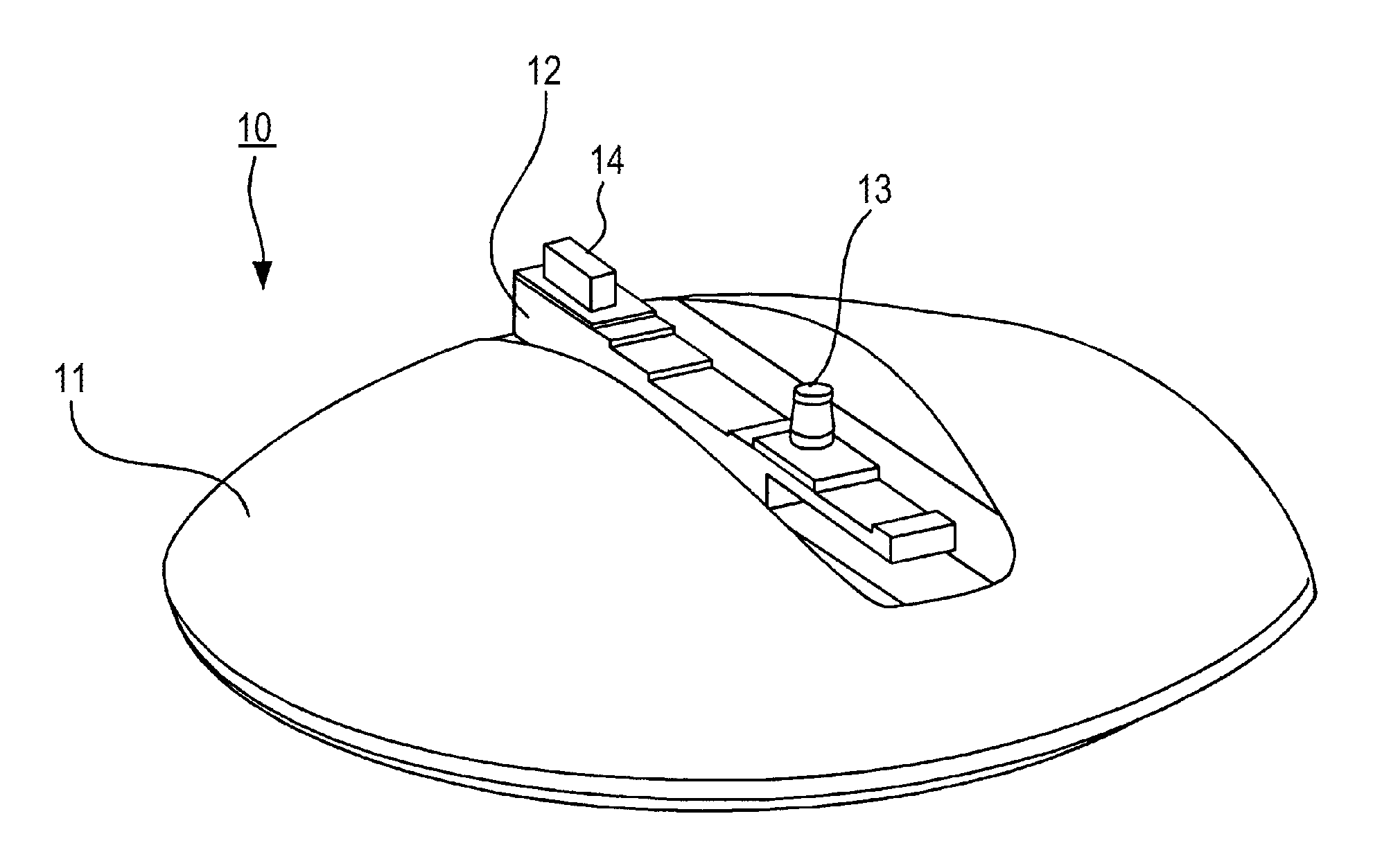
Sony's patent drawing of the Party-shot dock: the camera clips into the cradle on top while the saucer-shaped base pans and tilts it to hunt for faces.
Sony Corporation, US Patent 9,716,831 (Fig. 2A), USPTO (public domain)
The Glasstron: Sony's 90s answer to virtual reality
Before Meta's Quest and before the Oculus Rift, Sony released the Glasstron in 1997. It was a head-mounted display that weighed about 350 grams and displayed video content on a small screen positioned in front of each eye. The resolution was poor by modern standards, the field of view was narrow, and the device was tethered to a bulky external processor unit. Yet it existed, and it worked after a fashion, and it represented Sony's early conviction that wearable displays were the future of personal entertainment. The Glasstron was sold in limited quantities and found niches in medical training and industrial applications, but it never became a consumer product. The technology was ahead of its time and behind the times simultaneously, which is often the fate of early wearable attempts.
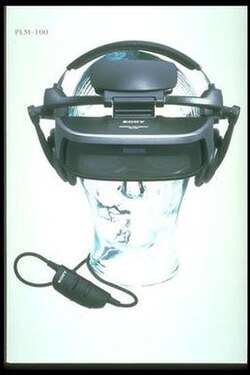
Sony's Glasstron headset put a virtual big screen in front of your eyes in the late 1990s.
QRIO: the humanoid that arrived too early
QRIO was a small humanoid robot standing about 60 centimetres tall, released by Sony in 2003. It could walk, run, dance, and respond to voice commands. It had expressive eyes and a rounded head, and it moved with an almost unsettling fluidity for the time. Sony positioned QRIO as a research platform and a vision of domestic robotics, but it was expensive, limited in practical function, and required constant supervision. The robot could entertain, but it could not clean, cook, or perform any task that justified its cost. By 2006, Sony had discontinued the project and shifted resources elsewhere. QRIO remains a reminder that making a robot walk is easier than making one useful.
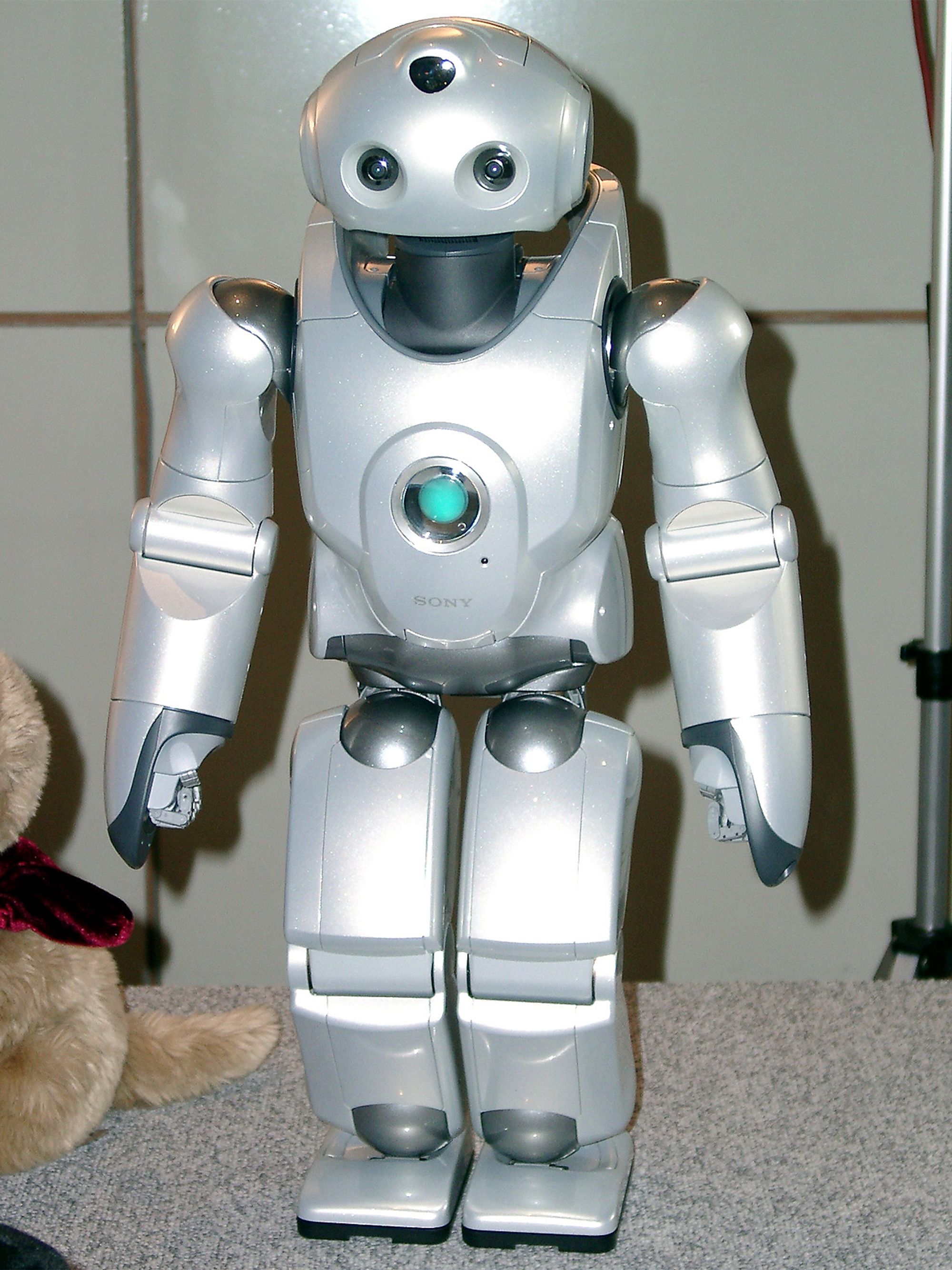
QRIO could walk and dance but never found a practical role in the home.
The Mavica: a digital camera that stored photos on floppy disks
In 1997, Sony released the Mavica, a digital camera that saved images directly to a 3.5-inch floppy disk. At the time, this seemed logical: floppy disks were ubiquitous, and storing photos on a medium that every computer could read was convenient. The Mavica was bulky by today's standards and had a resolution of just 0.3 megapixels, but it represented a genuine attempt to bridge the gap between digital imaging and the existing personal computer ecosystem. The problem was that floppy disks held only 1.44 megabytes, which meant you could store roughly four photos before needing a new disk. Memory cards arrived shortly after, offering far greater capacity and speed, and the Mavica became obsolete almost immediately. It is now a curiosity, a reminder of how quickly storage technology evolved and how a sensible idea can be rendered pointless by faster innovation.
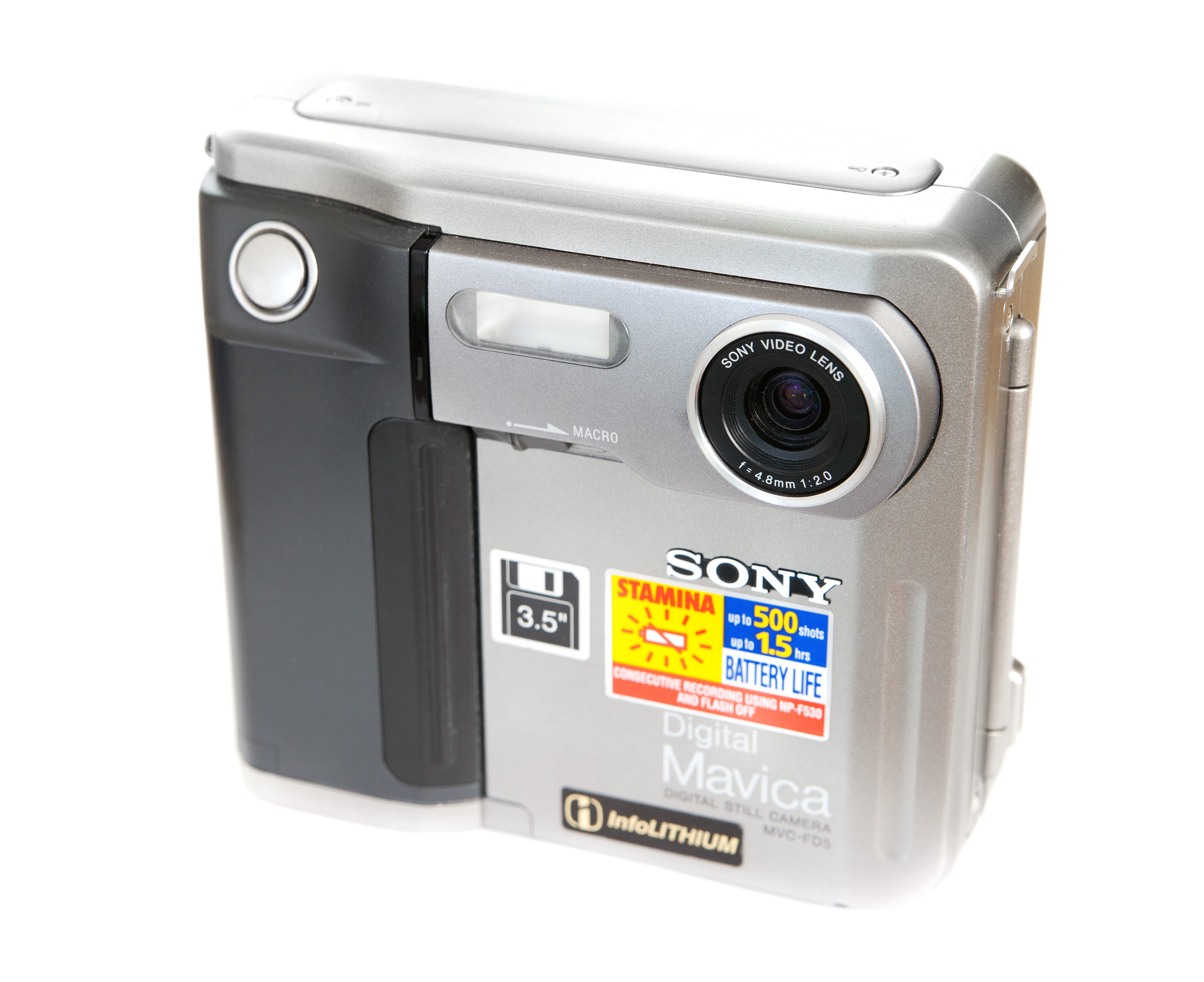
Early Mavicas saved photos straight onto a 3.5-inch floppy disk.
Why Sony made these things
These products share a common thread: they were all attempts to find new categories, new uses, and new ways to position technology in daily life. Sony was not content to be a maker of consumer electronics; it wanted to shape the future. Some of these bets paid off in niche markets or in research value. Most did not. The company's willingness to fund strange projects, to release products that had no clear market demand, and to accept failure as part of the process is itself interesting. Modern tech companies tend to focus on proven categories and incremental improvements. Sony in the 1990s and 2000s was willing to spend engineering effort on a dancing egg or a robot photographer, products that had no clear path to profitability. Whether that was wise is debatable, but it produced a catalogue of oddities that no other major electronics company can match. If you are curious about what Sony was thinking in those decades, these products are the answer.