Geisha Cosplay Resorts: Cute or Cultural Vandalism?
Geisha cosplay resorts and rental services have exploded across Japan, particularly in Kyoto. While they offer tourists an accessible way to experience traditional dress, geisha themselves, local residents, and cultural preservationists are increasingly vocal about the line between appreciation and appropriation.

The Boom Nobody Asked For
The Boom Nobody Asked For
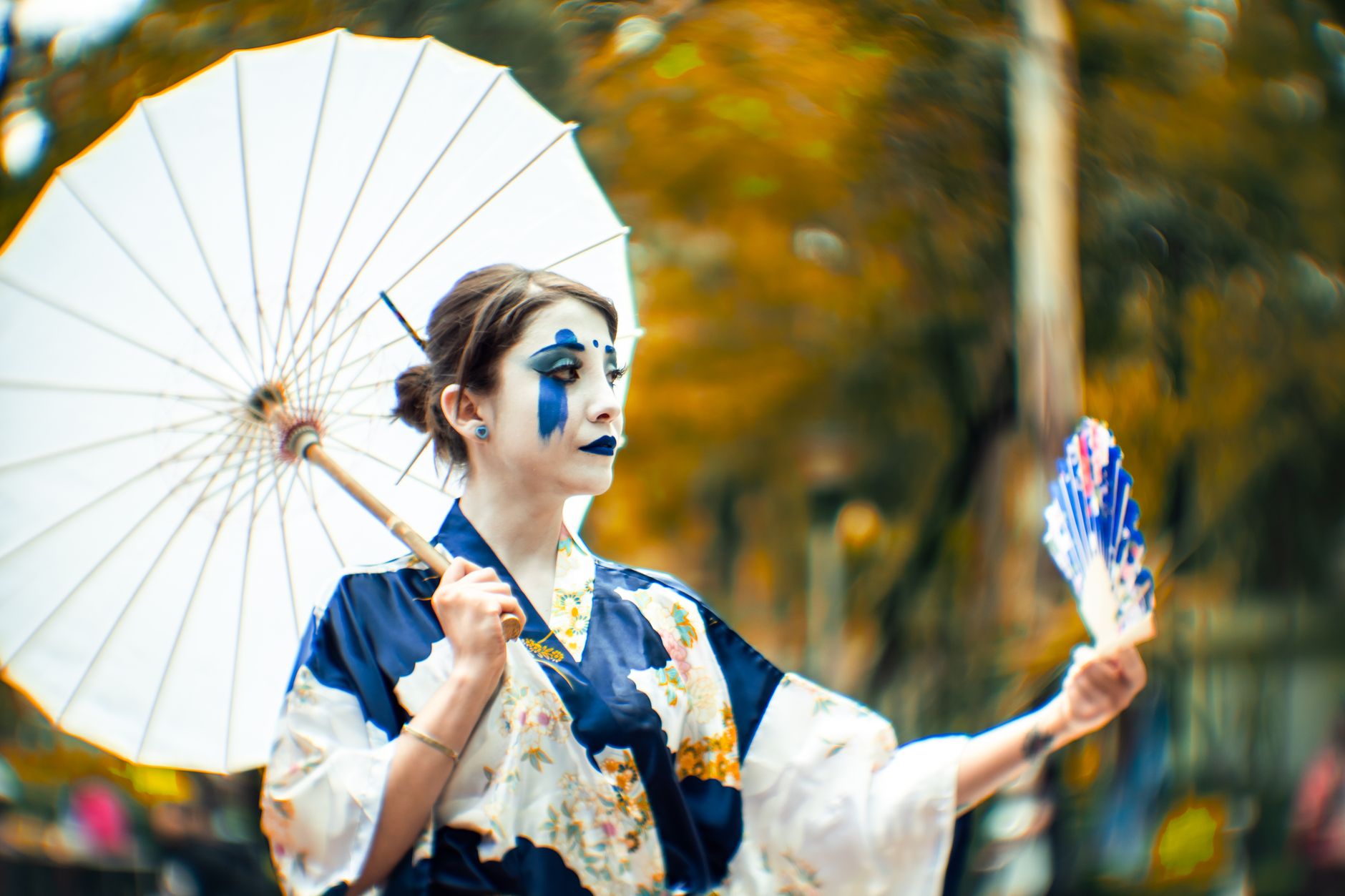
Walk through Gion or Arashiyama these days and you'll spot them instantly: tourists in rented kimono, heavy makeup applied by rental shop staff, posing for selfies in front of every shrine and temple. The geisha cosplay industry has become a multi-million-pound business, with shops offering everything from basic kimono rental (£30–50) to full geisha makeovers with professional hair and makeup (£150+). It's not hard to see why it appeals. A geisha outfit is stunning, historically significant, and Instagram gold. For many visitors, it feels like an authentic cultural experience—a chance to step into Japan's past for an afternoon. The rental shops market it exactly that way: 'Become a geisha for a day.' Except you won't. Not even close.
What Geisha Actually Are (Spoiler: Not a Costume)
What Geisha Actually Are (Spoiler: Not a Costume)
Here's where the conversation gets uncomfortable. A real geisha (or maiko, the apprentice stage) isn't a job you pick up for an afternoon. It's a decades-long commitment involving years of unpaid training, living in a geisha house (okiya), learning classical dance, shamisen, tea ceremony, and flower arrangement to near-professional levels. Many geisha train for 5–10 years before they're considered fully fledged. They're artists, not performers hired for decoration. When you rent a costume and call yourself a geisha for three hours, you're not experiencing their world—you're wearing their uniform without understanding the skill, discipline, or cultural weight behind it. It's the equivalent of renting a judge's robes and gavel, posing in front of the Old Bailey, and calling yourself a barrister. The comparison might sound extreme, but geisha themselves have begun pushing back on exactly this conflation.
Geisha Are Over It (And They're Saying So)
Geisha Are Over It (And They're Saying So)
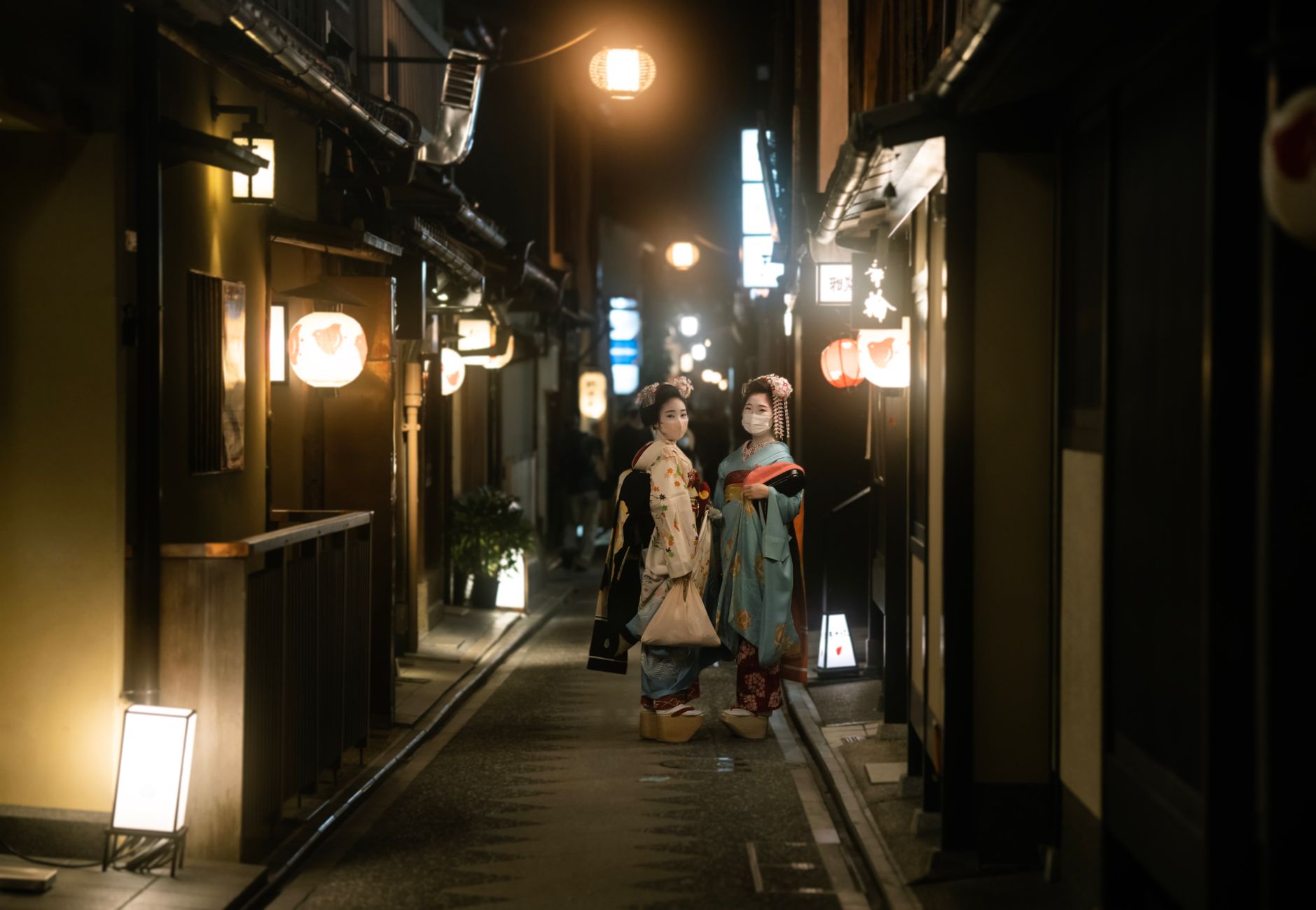
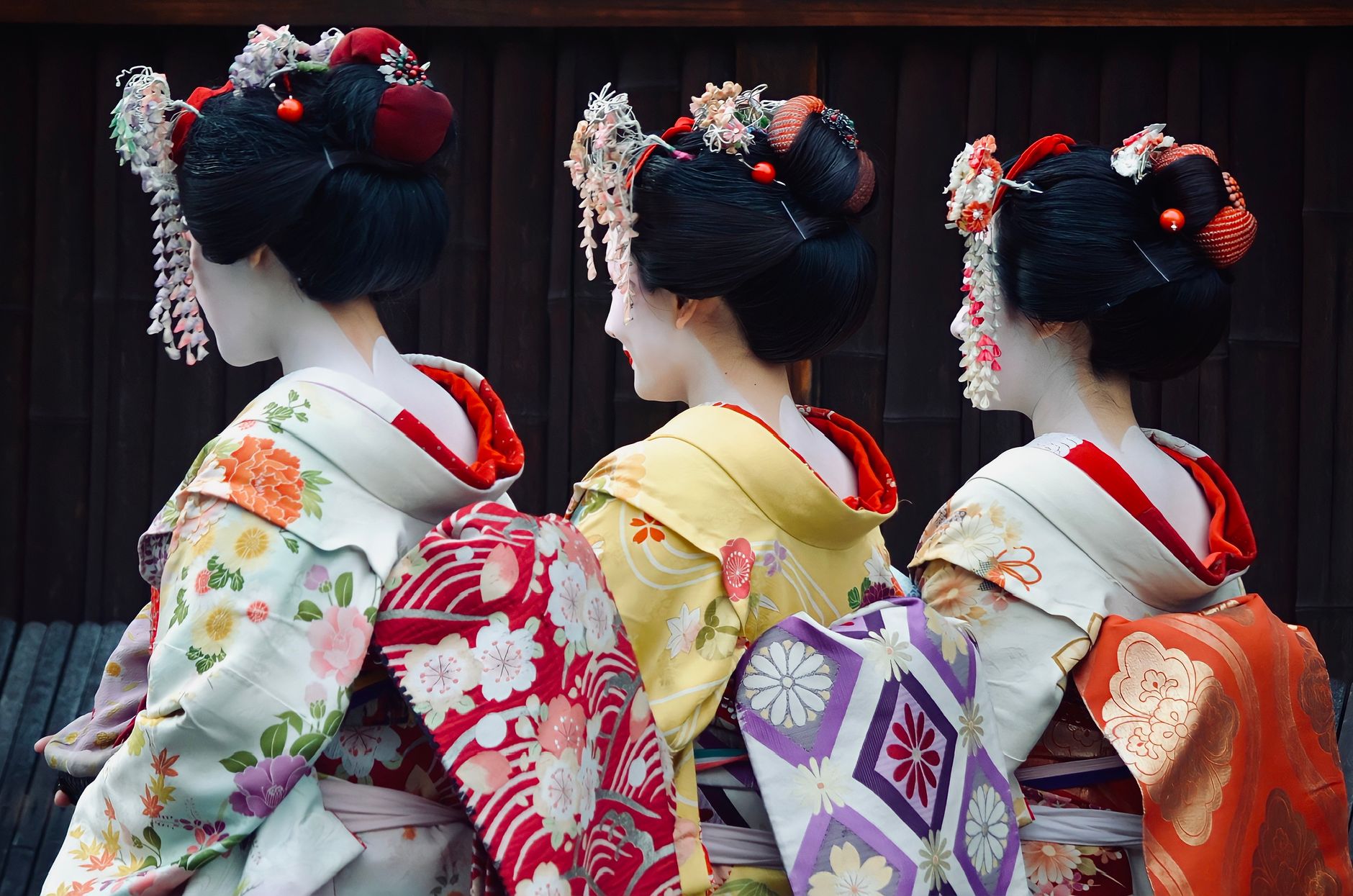
In 2019, Kyoto geisha formally complained to the city about cosplay tourists clogging their working streets, blocking their paths to appointments, and damaging the district's reputation. The issue wasn't snobbery—it was that cosplay-dressed tourists were being mistaken for actual geisha, which undermines the profession's credibility and exclusivity. Real geisha spend years earning the right to wear certain colours, patterns, and accessories that signal their rank and experience. When anyone can rent the same outfit, those distinctions evaporate. More recently, geisha have spoken about the exhaustion of being constantly photographed by cosplay tourists, the way the districts have become theme parks rather than working neighborhoods, and how the rental industry trivializes their profession. Some have been blunt: they don't want to share their spaces with people playing dress-up.
The Kyoto Crackdown (And Why It's Not Enough)
The Kyoto Crackdown (And Why It's Not Enough)
Kyoto's government has tried to address the problem. In 2023, they introduced guidelines asking cosplay tourists to avoid certain areas during peak hours and to respect local residents. Some districts have banned photography in certain spots. But enforcement is weak, and the rental shops keep multiplying because there's money in it. The real issue is that these guidelines rely on tourist goodwill and shop cooperation. Neither is guaranteed. A tourist who's paid £40 for a geisha makeover isn't going to skip Gion just because a sign asks nicely. And rental shops have zero incentive to turn away business—they're not cultural institutions, they're commercial enterprises capitalizing on a trend.
So... Is It Actually Harmful?
So... Is It Actually Harmful?
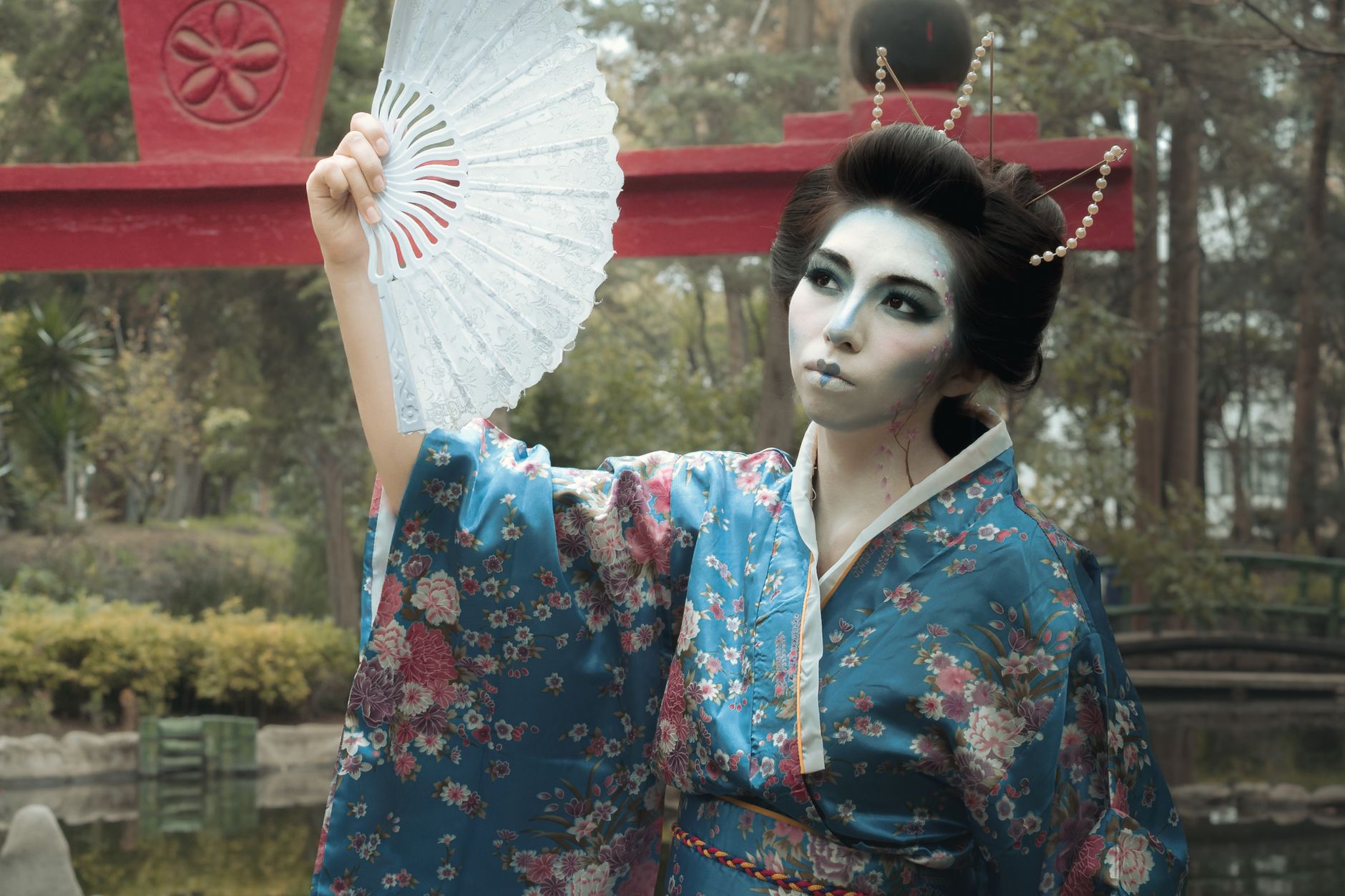
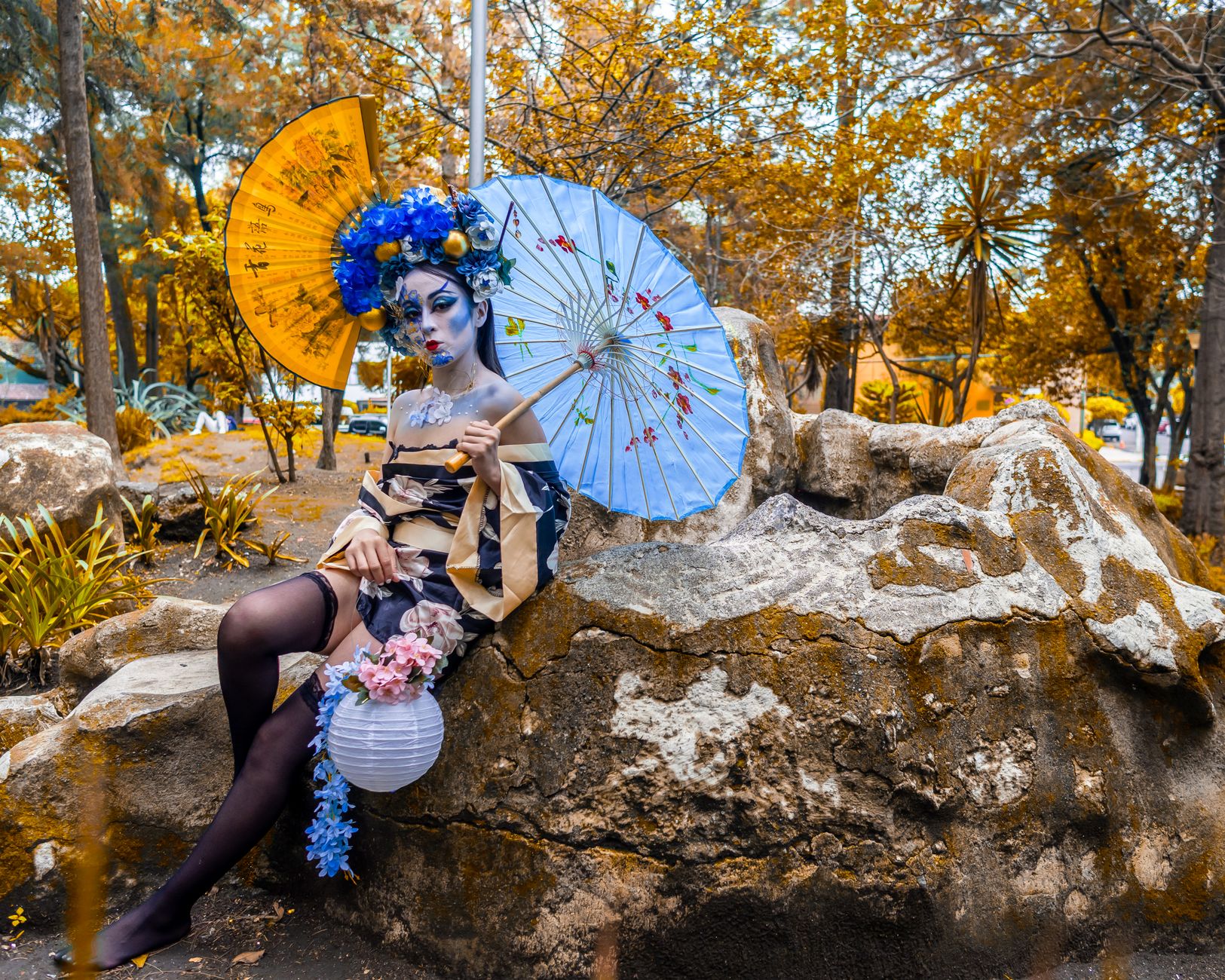
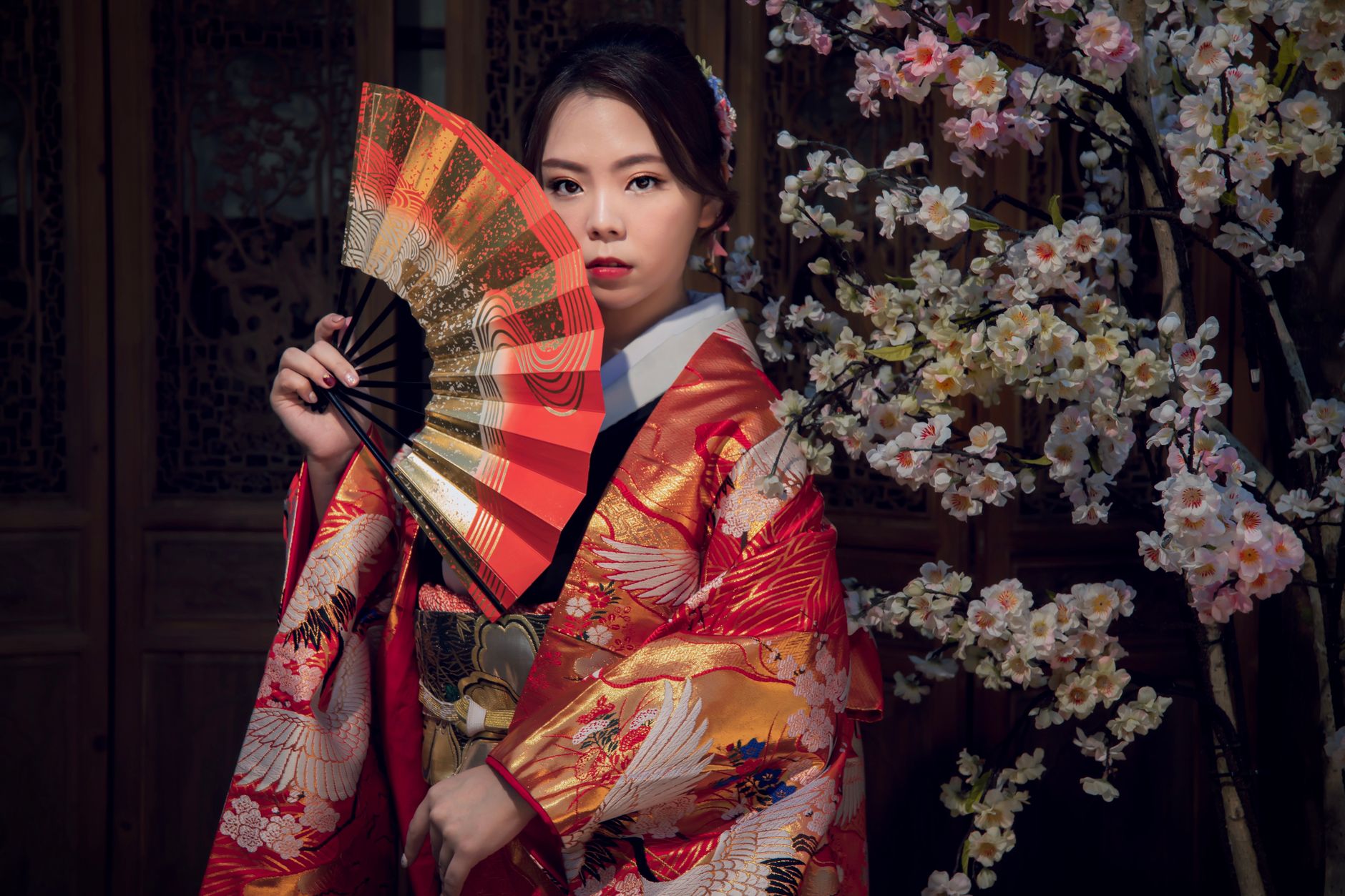
The honest answer is yes, but not in the way pearl-clutchers might assume. Nobody's being hurt by someone wearing a kimono. The harm is more subtle: it's the erosion of a profession's cultural authority, the transformation of working neighborhoods into tourist attractions, and the message that Japanese culture is a commodity to be consumed rather than a living practice to be respected. There's also the uncomfortable reality that geisha cosplay is almost exclusively marketed to and consumed by Western tourists. Japanese visitors rarely rent these outfits. That matters, because it suggests the industry is selling an exoticized, Orientalist fantasy rather than genuine cultural engagement. You're not learning about geisha; you're performing a Western idea of what a geisha should be.
What Actually Respectful Engagement Looks Like
What Actually Respectful Engagement Looks Like
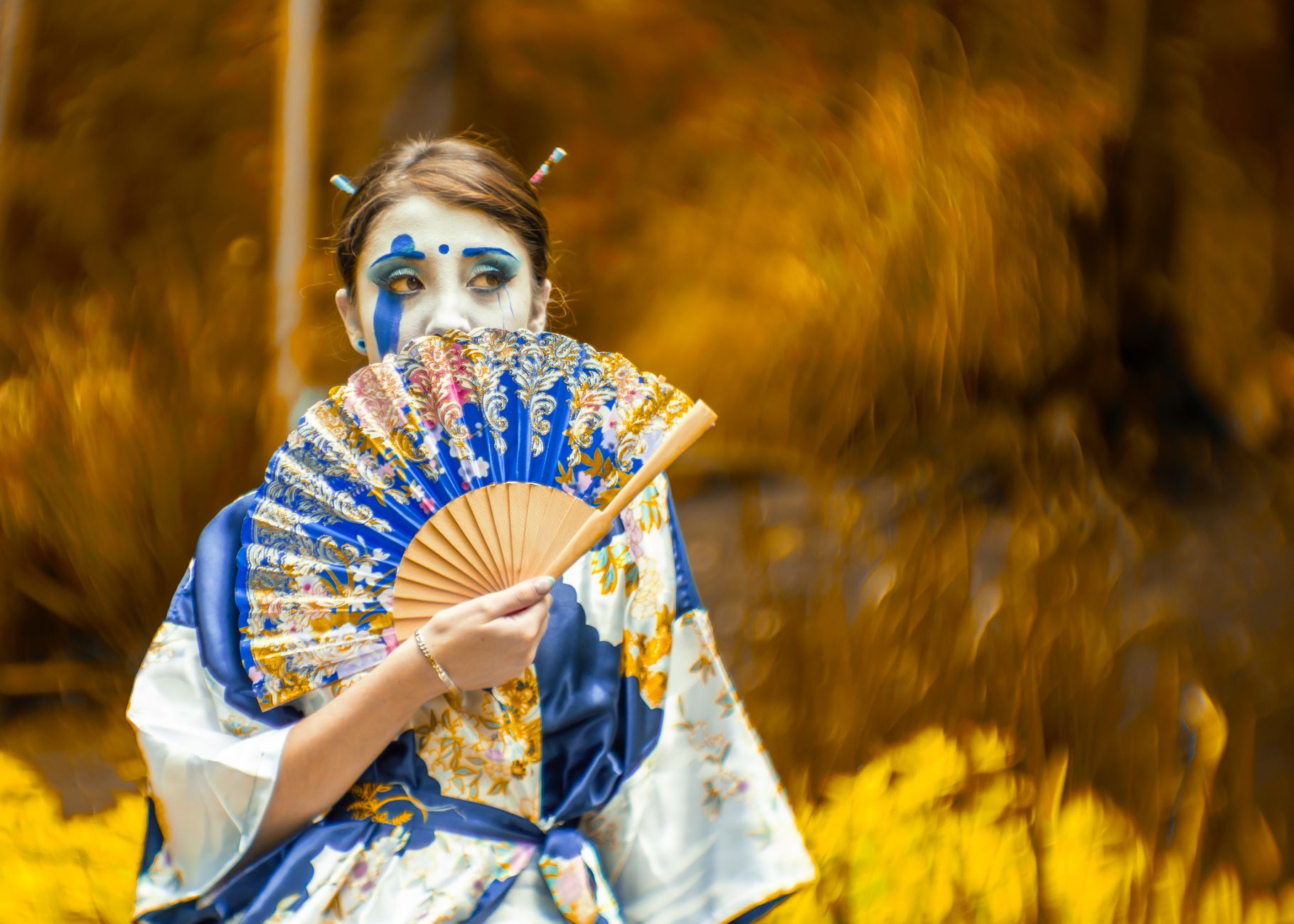
If you want to experience geisha culture, there are better ways. Book a proper geisha performance or dinner experience in an okiya or tea house—yes, it costs more (£100–300+), but you're actually supporting the profession and seeing trained artists at work. Visit museums dedicated to geisha history and training. Read books. Take a walking tour of Gion led by someone who understands the district's real history. Or, controversial take: maybe just don't dress up as a geisha. Wear a regular kimono if you want to experience traditional dress—it's beautiful, historically significant, and doesn't require you to claim a profession you haven't trained for. The rental shops won't love that suggestion, but the actual geisha probably will.
Related reads