Do Japanese People Get Drunk Quicker? The Science Behind the Stereotype
An examination of the claim that Japanese people get drunk faster, exploring genetic factors, cultural drinking practices, and how a kernel of truth has been blown into a sweeping racial generalization.

The Stereotype Exists. Here's Why.
The Stereotype Exists. Here's Why.
Walk into any Western pub or scroll through Reddit threads about Japan, and you'll hear it: Japanese people can't hold their alcohol. The stereotype is so embedded in Western pop culture that it barely gets questioned anymore. It shows up in films, TV shows, and casual conversation as accepted fact. But where did this come from? Part of it stems from a real biological phenomenon: a significant portion of East Asian populations carry a genetic variation that affects how they metabolise alcohol. This isn't unique to Japan, and it doesn't apply uniformly. Yet somehow, the stereotype has calcified into something that feels universal, as if every Japanese person is destined to be tipsy after half a beer. The other part comes from cultural observation. Westerners visiting Japan notice that drinking culture is different—more social, more ritualistic, often involving smaller quantities consumed in specific settings. What gets lost in translation is context. A Japanese person might nurse a beer for hours at an izakaya while chatting with colleagues. A Western observer sees this and concludes: weak tolerance. What's actually happening is just... different drinking norms.
The Genetic Angle: Real, But Complicated
The Genetic Angle: Real, But Complicated
Here's where the stereotype touches actual science. Some East Asian populations, including Japanese people, have higher rates of a genetic variation in the ALDH2 enzyme, which breaks down acetaldehyde—a toxic byproduct of alcohol metabolism. People with the less efficient version of this enzyme experience a flushing response: their face turns red, they feel hot, and they experience nausea faster than people with the efficient version. This is measurable and real. Studies show that roughly 30-50% of East Asian populations carry this variation, compared to much lower rates in European populations. But—and this is crucial—the same variation exists in some Westerners too, just at lower frequencies. And within Japan, there's huge variation. Some Japanese people have the efficient enzyme, some don't. Some people with the inefficient enzyme still drink heavily and build tolerance over time. The genetic reality has been weaponised into a racial stereotype. It's become shorthand for "Japanese people are weak drinkers," when the actual science is far messier. You can't look at someone and know their ALDH2 status. You can't predict their tolerance based on their nationality. The gene exists; the stereotype is an oversimplification.
What Japanese Drinking Culture Actually Looks Like
What Japanese Drinking Culture Actually Looks Like
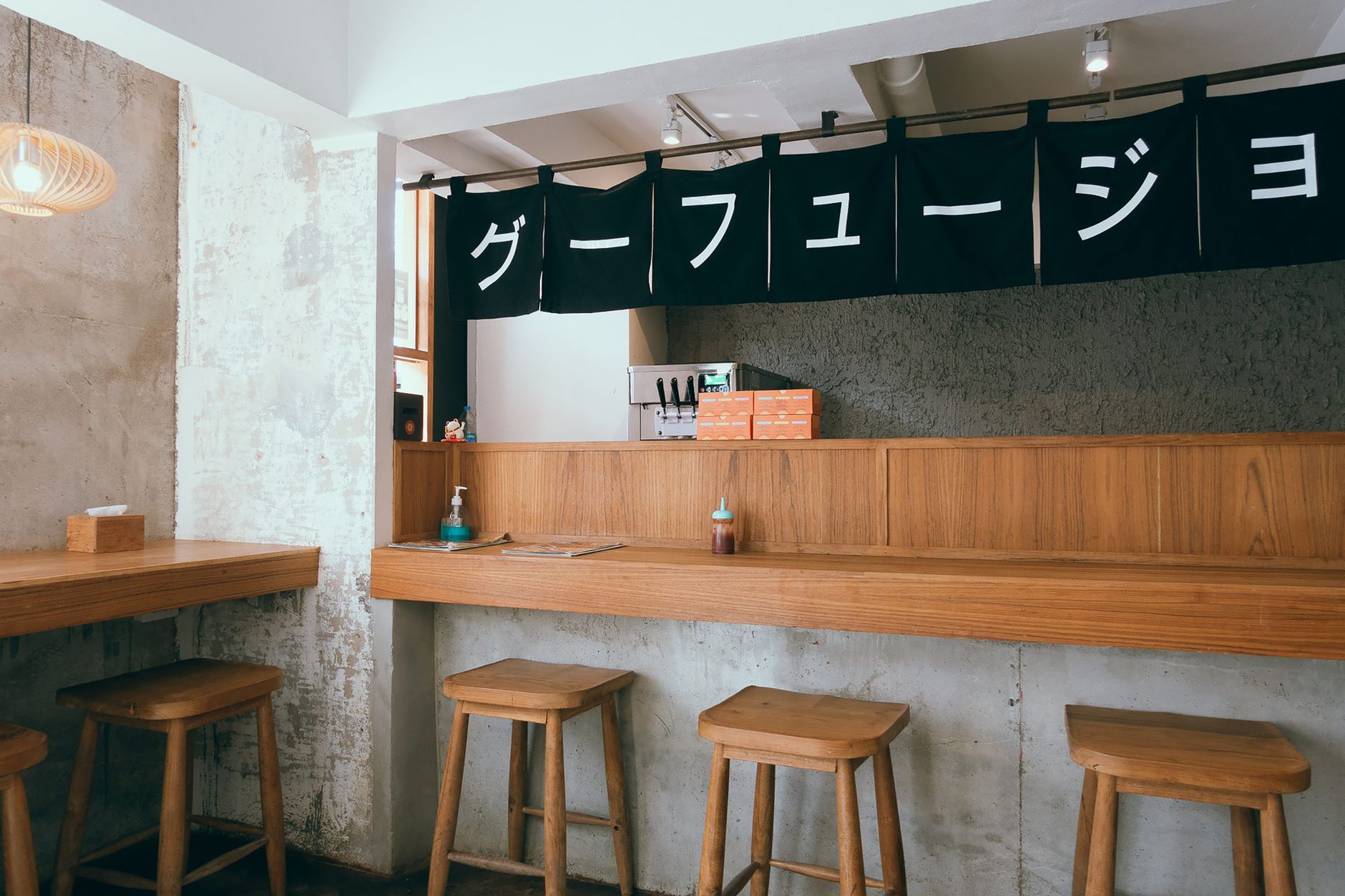
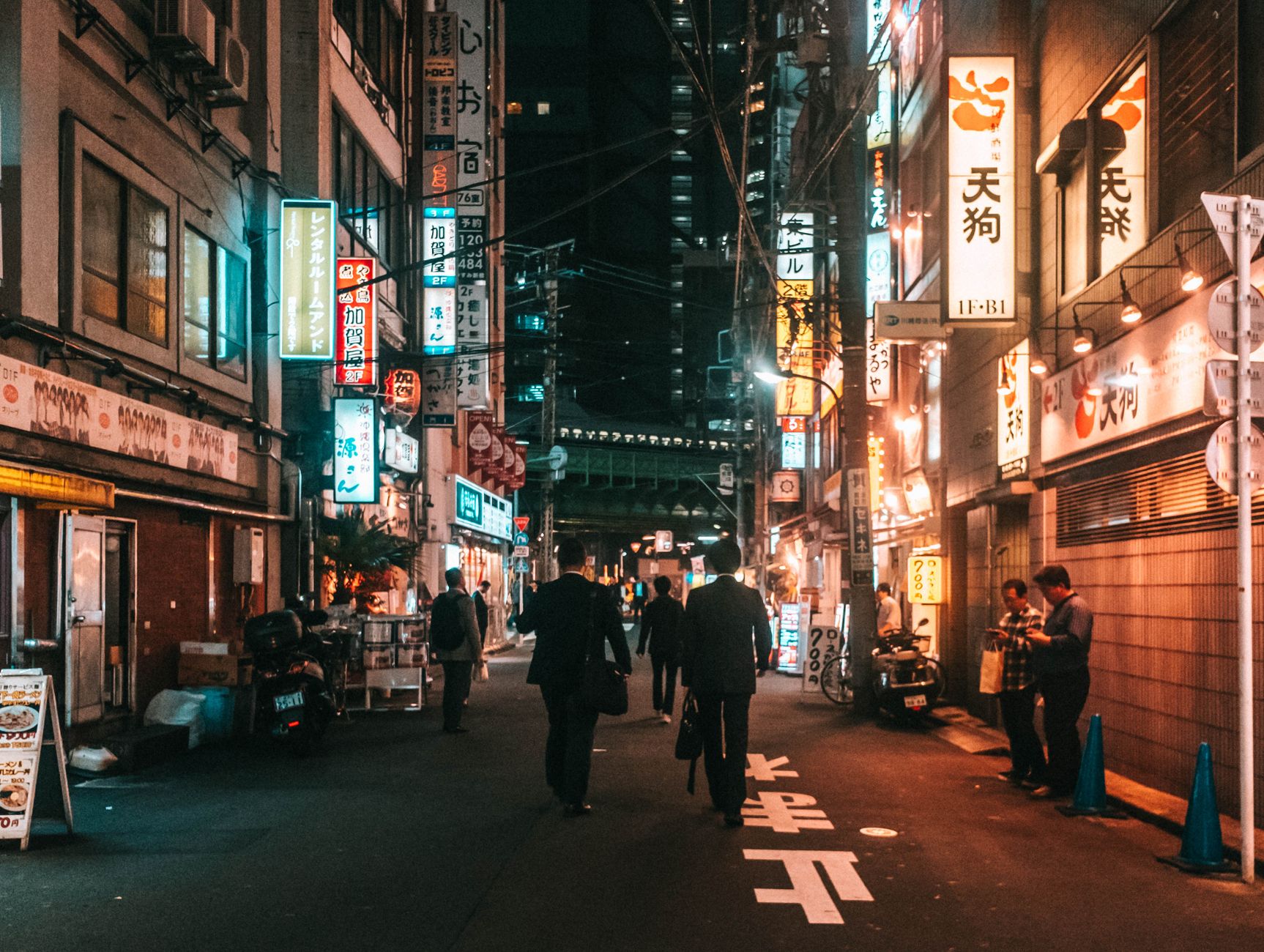
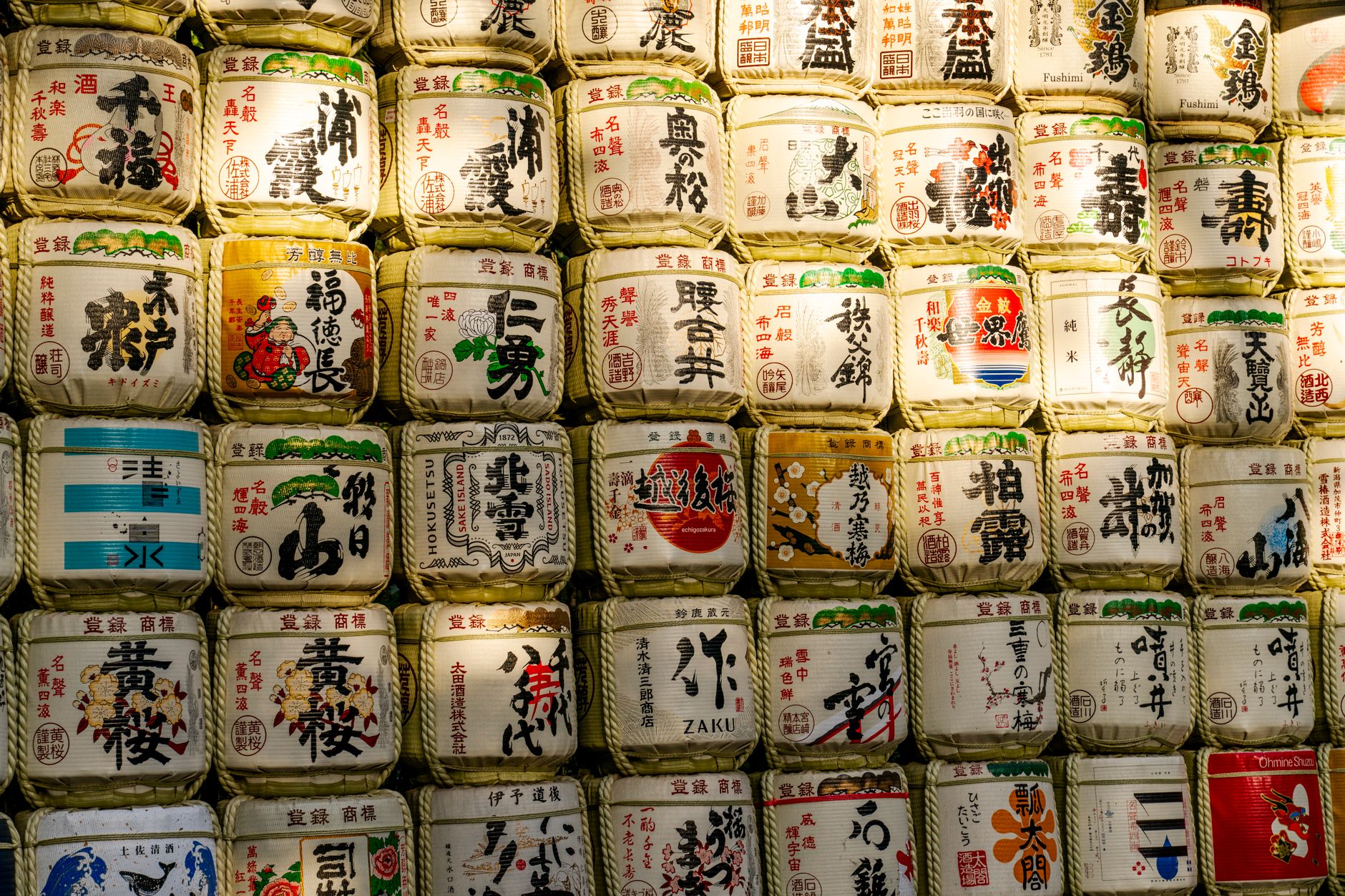
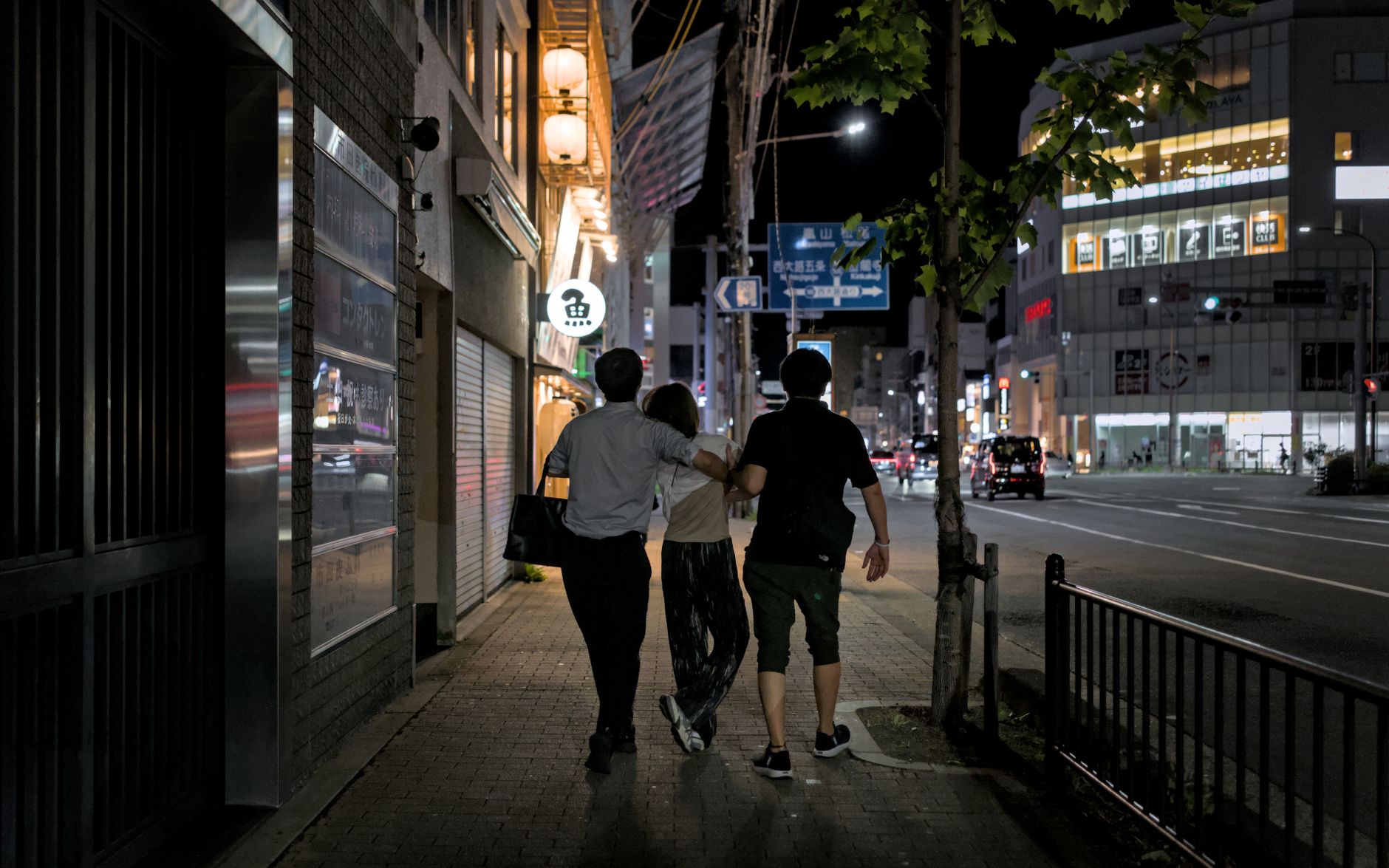
If you want to understand why this stereotype persists, spend time in a Japanese bar. The culture around alcohol in Japan is genuinely different from the West, but not in the way the stereotype suggests. Japanese drinking is often about ritual and social bonding rather than quantity or speed. An izakaya outing might involve several hours, multiple small dishes, and moderate alcohol consumption spread across the evening. Nomikai (company drinking parties) are about hierarchy, bonding, and performing social roles—not about who can drink the most. There's even a concept of knowing your limit and respecting it, which is treated as mature rather than weak. Conversely, binge drinking exists in Japan too. Young people in Tokyo get hammered on weekends just like young people anywhere else. Salary men sometimes drink to excess. The difference is cultural framing: there's less glorification of getting absolutely wasted, and more emphasis on moderation and responsibility. When a Western visitor sees someone getting visibly drunk quickly, they might attribute it to low tolerance. What they're actually seeing is someone who's had several drinks over several hours in a warm, social environment—which would affect anyone's coordination and judgment.
The Real Problem With the Stereotype
The Real Problem With the Stereotype
The stereotype matters because it reduces a complex mix of genetics, culture, and individual variation into a lazy racial generalization. It's the kind of thing that sounds harmless—even funny—until you realise it's being used to make assumptions about real people based on their appearance. It also obscures actual health conversations. Japan has real public health challenges around alcohol, including high rates of liver disease in some demographics. But these issues get flattened into "oh, they just can't handle it," which misses the point entirely. The problem isn't genetic weakness; it's patterns of consumption, access to healthcare, and cultural attitudes toward drinking problems. When you strip away the stereotype and look at actual data, Japanese people's alcohol tolerance varies just as much as anyone else's. Some people get drunk quickly. Some people can drink all night. Most people fall somewhere in the middle. The only difference is that Japan's drinking culture is structured differently, which Western observers have misread as evidence of biological inferiority.
The Bottom Line
The Bottom Line
Is there a genetic factor that affects how some East Asian people metabolise alcohol? Yes. Does this mean Japanese people universally get drunk quicker? Absolutely not. The stereotype persists because it contains a kernel of biological truth, but that kernel has been blown wildly out of proportion. It's been weaponised into a racial generalization that tells you nothing useful about any individual person. A Japanese person's alcohol tolerance depends on their genetics, their body weight, their food intake, how much they've drunk before, and a dozen other factors—just like everyone else. Next time you hear this stereotype, feel free to push back. The science is more interesting than the joke, and the reality is far less tidy than the caricature.
Related reads